A beautiful smile is a reflection of good health. Many people only focus on having white, perfectly aligned teeth, forgetting an essential part of the mouth and the smile: the gums. They are the main element for having strong teeth, yet they often don’t receive the necessary attention. That is, until they show signs of pain, inflammation, redness, or bleeding. Periodontal diseases are caused by the same bacteria that can damage tooth enamel. Poor oral hygiene leads to the buildup of plaque. If we do nothing to remove it in time, it will progress, causing gum inflammation (gingivitis). If the inflammation becomes chronic, it could not only affect the teeth but the entire body. In fact, periodontitis can lead to diabetes, premature births, and coronary diseases.
Consequences of Periodontitis on Health
There is a close relationship between poor gum health, which serves as the gateway for germs into the body, and certain significant diseases. This occurs because the bacteria present in our mouth and gums can enter the bloodstream and from there spread throughout the body. This is how bacteria can reach the heart, causing cardiovascular conditions. In fact, people with periodontal diseases are more likely to experience heart problems. By traveling through the blood, periodontitis can also affect metabolism by altering blood sugar levels. Gum inflammation is associated with the development of insulin resistance, thereby increasing the risk of diabetes. As such, periodontitis can be considered one of the chronic complications of diabetes.
Regarding pregnancy, periodontal diseases can affect both gestation and the baby. If bacteria reach the placenta, there is an increased risk of premature birth, as well as potential effects on the proper growth and weight of the fetus. The progression of periodontitis is a slow and chronic process, often advancing very subtly. This is why it is important to visit the dentist regularly to detect it in time and begin treatment.
I am Dr. Marta Herrero, a graduate in Dentistry, Medicine, and Surgery from the Autonomous University of Madrid and a Specialist in Aesthetic Dentistry, which I am truly passionate about. …Thank you from here to all those patients who have trusted in my knowledge and professionalism.
If you think this post can help your friends on social media, please share it. This way, together with all of us who love this profession, we can improve patients’ knowledge and also show them the importance of dentistry in people’s lives. Thank you.
For many patients, avoiding a root canal is a priority. Although it is an effective procedure, a root canal can be invasive. Fortunately, Biodentine is an innovative material that allows the treatment of deep tooth lesions, helping to preserve its vitality and avoid major interventions when possible.
What is a Root Canal?
The root canal treatment, also known as endodontic therapy, is a procedure that removes the infected or damaged pulp inside the tooth. This treatment is performed when the dental pulp, which contains nerves and blood vessels, has been irreversibly affected, whether due to a deep cavity, trauma, or an infection. During a root canal, the dentist cleans and seals the root canal to prevent the infection from spreading or causing persistent pain. It is an important resource to save a tooth that might otherwise need to be extracted. While root canal treatment helps preserve the tooth, it also weakens it, which is why finding conservative alternatives like Biodentine is of great interest.
When is a Root Canal Necessary? Symptoms and Warning Signs
The need for a root canal treatment generally arises when there are evident signs of infection or irreversible damage to the pulp. Some symptoms that may indicate you need a root canal are:
Persistent pain in a tooth, especially when chewing or touching it.
Extreme sensitivity to heat or cold that does not go away even after the stimulus has stopped.
Tooth discoloration or a dark appearance, which may signal pulp damage.
Abscesses or gum swelling near the affected tooth.
It is also important to consider factors such as a history of trauma to the tooth or the presence of deep cavities. If you experience any of these symptoms, visit your dentist for an examination and X-ray, which will confirm whether a root canal is necessary.
What is Biodentine and how does it work as an alternative to a root canal?
Biodentine is a bioactive and biocompatible material that has revolutionized conservative dentistry. Designed to preserve pulp vitality, Biodentine allows for the treatment of deep dental lesions without the need to remove the pulp, as long as it remains alive and healthy. The goal of Biodentine is to act as a protective barrier over the exposed dentin, stimulating dentin regeneration and sealing the tooth from the inside. This enables the tooth to recover without the need for a root canal. Unlike other materials, Biodentine is resistant, durable, and promotes the remineralization of the dental structure.
When can Biodentine be used in order to avoid a root canal?
Biodentine is especially useful in situations where the tooth has deep decay or damage, but the pulp remains alive and without irreversible infection. Some cases where Biodentine can prevent a root canal are:
Deep cavities that affect the dentin without fully compromising the pulp.
Minimal pulp exposure due to trauma or cavity treatment.
Root perforations or fractures that can be sealed without removing the pulp.
This treatment should only be performed under professional supervision, as the dentist will evaluate whether the tooth is suitable for the use of Biodentine.
Benefits of using Biodentine to avoid a root canal
Biodentine offers a series of significant benefits as a conservative alternative to a root canal, especially in cases where the pulp can remain alive:
Less invasiveness: By not removing pulp tissue, the tooth retains its natural structure.
Quick recovery: The application of Biodentine is a fast and safe procedure, requiring less recovery time.
Prevention of future infections: By sealing the dental cavity, Biodentine prevents the entry of bacteria.
Aesthetics and functionality: As a bioactive material, Biodentine promotes the natural regeneration of dentin.
These benefits make Biodentine an ideal alternative for patients who wish to avoid invasive treatment when possible.
How can I know if I can avoid a root canal with Biodentine?
The possibility of using Biodentine instead of performing a root canal
depends on several factors, and it is the dentist who will determine if it is viable. This material is suitable when:
The cavity is deep but has not irreversibly affected the pulp.
The pulp is minimally exposed, as in cases of direct or indirect pulp capping.
There are no signs of severe infection or abscesses in the gums.
It is essential to visit the dentist to assess the condition of the tooth and
determine if Biodentine is a viable option. Attempting to perform home treatments can worsen the problem and lead to the need for more aggressive interventions.
When is it preferable to opt for a root canal?
In some cases, Biodentine is not enough to preserve the vitality of the pulp, and a root canal remains the best option. If the tooth is severely infected or if the pulp has suffered irreversible damage, a root canal is the only solution to eliminate pain and save the tooth in the long term. Choosing a root canal ensures that the tooth does not cause future problems and allows patients with pulp infections to continue enjoying good oral health without the need for extraction.
Prevention is the best solution
Avoiding a root canal is possible in certain cases thanks to Biodentine, a bioactive material that protects and preserves the tooth without removing pulp tissue. However, for Biodentine to be effective, it is essential to perform an early diagnosis and visit a dentist. If you experience symptoms such as pain, sensitivity, or inflammation, do not wait for the problem to worsen. A timely consultation can prevent invasive treatments and help you maintain the health of your teeth. Visit out Dental Clinic in Madrid to evaluate the option of Biodentine and take care of your oral health.
Mouth sores, also known as canker sores or oral ulcers, are small, painful lesions that appear on the oral mucosa. These lesions can interfere with daily activities such as eating, speaking, or even drinking liquids, causing significant discomfort. Among their most common causes are stress, vitamin deficiencies such as B12, minor injuries like biting the inside of the cheek, or allergies to certain foods. Additionally, consuming acidic or spicy foods can worsen the lesions. In some cases, they may be related to immune system issues.
Possible Causes of Mouth Sores
Mouth sores can have multiple causes, some of the most common include:
Nutritional Deficiencies: A lack of iron, folic acid, or vitamin B12 can trigger mouth ulcers.
Minor Injuries: Such as biting your cheek or using dental appliances that irritate the mucosa.
Stress and Anxiety: These factors affect the immune system, making it more susceptible.
Allergic Reactions: To certain foods or dental products.
Underlying Medical Conditions: Diseases like celiac disease, Behçet’s syndrome, or Crohn’s disease may be related.
Identifying the specific cause can help you prevent future episodes and receive appropriate treatment.
Risk Factors
Anyone can develop mouth sores, but there are certain factors that increase the risk:
A weakened immune system.
Excessive consumption of tobacco or alcohol.
Use of poorly fitted dental appliances.
Lack of a balanced diet.
If you belong to any of these groups, take additional preventive measures
to minimize the occurrence of these discomforts.
Symptoms of Mouth Sores
Mouth sores often present with intense pain and discomfort when speaking,
chewing, or consuming hot foods. These lesions typically appear as rounded ulcers,
white or yellow in color, surrounded by a reddish halo indicating inflammation.
Other symptoms include a burning sensation before the lesion appears and, in more
severe cases, fever or swollen lymph nodes. If the sores persist for more than two
weeks, it is important to consult a doctor to rule out more serious complications.
Home Remedies to Heal Mouth Sores
Among the most effective home remedies for treating mouth sores is rinsing with warm salt water. This natural method helps disinfect the area and speeds up the healing process. To prepare it, mix a teaspoon of salt in a glass of warm water and rinse for 30 seconds. Another popular remedy is the use of baking soda. Make a paste with baking soda and a little water, and apply it directly to the sore. This helps neutralize acidity and reduces inflammation. You can also use aloe vera, known for its regenerative and soothing properties, by applying it directly to the affected area.
How to Heal Mouth Sores Quickly?
To heal mouth sores quickly, it is essential to avoid irritating foods such as citrus fruits, tomatoes, or very salty foods, as they can worsen the lesion. Opt for soft and fresh foods that do not cause additional discomfort. Using antiseptic mouthwashes, available at pharmacies, can be key to preventing infections and relieving pain. Additionally, it is important to maintain excellent oral hygiene by using a soft toothbrush and complementing it with dental floss and mouthwash.
Medical Treatments for Mouth Sores
In cases of persistent or particularly painful sores, medical treatments are an effective option. Topical ointments containing corticosteroids help reduce inflammation and pain. These products should be applied directly to the sore as per the doctor’s instructions. If the sores are recurrent, the specialist might recommend vitamin supplements such as vitamin B12 or iron. It is also common to use prescribed mouthwashes with local anesthetics to provide immediate relief and facilitate healing.
Tips for Managing Pain While Healing
During the healing process, you can reduce pain by following these practical tips:
Use straws: To avoid direct contact with the sore when drinking liquids.
Opt for cold foods: Yogurts or ice cream can temporarily soothe the pain.
Apply honey: It has healing properties and creates a protective layer over the sore.
Although these tips will not directly heal the sore, they will help manage the pain and improve your daily comfort.
Prevention of Mouth Sores
Preventing mouth sores is possible with some lifestyle changes. Maintaining a balanced diet rich in fruits and vegetables is essential to strengthen the immune system and avoid vitamin deficiencies that could trigger oral lesions. It is also important to avoid accidental injuries by using a toothbrush with soft bristles. Reducing stress, practicing good oral hygiene, and avoiding very acidic or spicy foods are measures that significantly contribute to preventing their occurrence.
Frequently Asked Questions about Mouth Sores
How long do mouth sores last?: Generally, mouth sores disappear within 7 to 10 days. However, the pain usually decreases significantly in the first few days with proper treatment. Are canker sores contagious?: No, canker sores are not contagious. These lesions are caused by internal factors such as nutritional deficiencies, stress, or physical injuries, and they are not transmitted from one person to another.
Effective Solutions for Mouth Sores
Mouth sores can be uncomfortable, but there are multiple options to treat them effectively. From home remedies like saltwater or aloe vera to specific medical treatments, every case has a solution. Preventing these lesions is just as important. Maintain a healthy diet, reduce stress, and practice good oral hygiene habits. If the sores persist or worsen, consult a specialist to receive the appropriate treatment. Take care of your oral health and say goodbye to discomfort!
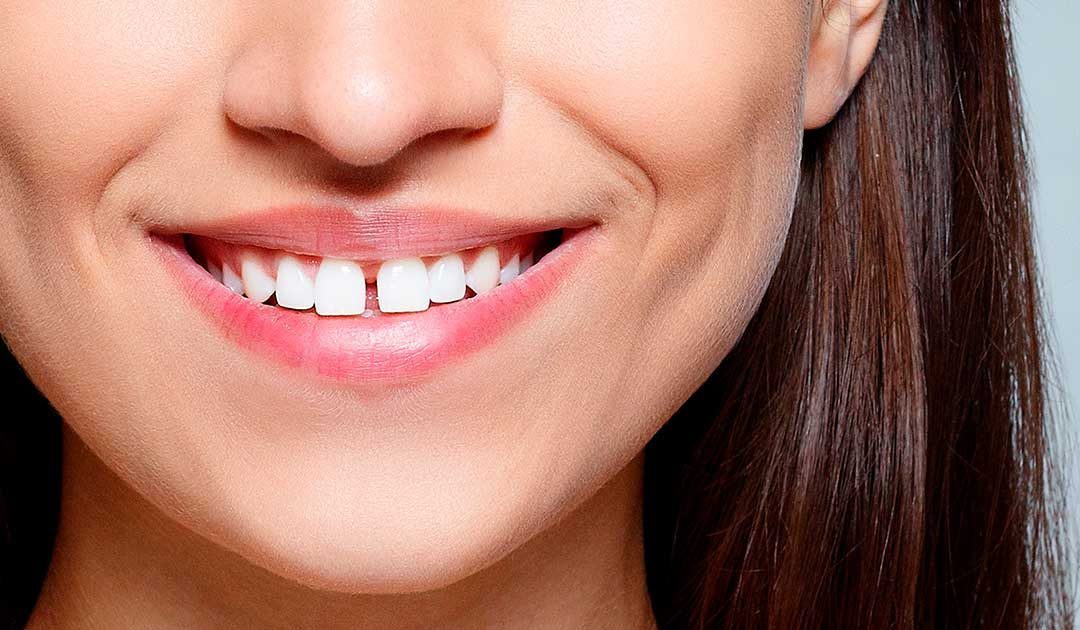
Madonna, Vanessa Paradis, Brigitte Bardot, Arnold Schwarzenegger, Patricia Conde, or Eddie Murphy are some of the celebrities who proudly show off their smiles, even if they feature a small gap between their upper front teeth. The well-known dental diastema can be something beautiful, even sexy, and that’s why many celebrities who don’t naturally have it undergo orthodontic treatment to sport this small anomaly that has become a trend. But at what cost? The obsession with appearance is sparking a risky trend that ultimately seeks to mimic an oral health condition that can pose serious health risks.
What is a diastema?
The imperfect smile sometimes gives faces a youthful, adolescent appearance. This is one of the many reasons why celebrities proudly display their diastema without complexes. As we mentioned earlier, diastema is the exaggerated gap between two teeth. Most commonly, diastemas are observed in the upper incisors, that is, in the row of teeth that are visible when smiling. There are many reasons why these interdental spaces can occur, such as oral alignment issues or overbite, the absence of a tooth, periodontal disease that causes tooth mobility, or a wide labial frenulum.
Problems Caused by Diastema
The Diastema as a Trend and the Congenital Risks Involved, such as Cavities and Other Muscular Problems, Can Even Affect Other Parts of the Body. The gap between teeth is a deformity that prevents the full closure of the mouth and proper hygiene. For this reason, it is very easy for plaque to accumulate in certain areas when the toothbrush cannot reach all the teeth properly, ultimately leading to cavities and gum disease. The incorrect alignment of teeth can also cause jaw pain, muscle aches, and headaches.
How Can This Interdental Space Be Corrected?
As trendy as it may seem, it’s best to correct the diastema and safeguard our health. There are different treatments available to close those separated teeth:
Orthodontics, that is, braces.
Prosthetic treatments such as the use of porcelain veneers or even implants.
If none of the aforementioned treatments reduce the interdental space or if it is caused by an overly large frenulum, surgery would be necessary.
I am Dr. Marta Herrero, a graduate in Dentistry, Medicine, and Surgery from the Autonomous University of Madrid and a Specialist in Aesthetic Dentistry, which I am truly passionate about. …Thank you from here to all those patients who have trusted in my knowledge and professionalism.
If you think this post can help your friends on social media, please share it. This way, among all of us who love this profession, we can help improve patients’ knowledge and also show them the importance of dentistry in people’s lives. Thank you.
Although uncommon, dental alveolitis can arise as a side effect of a tooth extraction. When a tooth is removed, an empty hole is created in the jaw, which typically fills quickly with blood, forming a clot that protects the bone. This blood formation, which occurs within the first 24 hours, serves two purposes: stopping the bleeding in the area and, over time, stimulating and facilitating the healing of the jawbone. Removing this blood clot too early, that is, before the bone has healed, would result in a dry cavity, known as dry socket.
Symptoms of Dental Alveolitis
Proper oral hygiene helps us take care of the health of our mouth.
However, there are situations of such complexity that they require the extraction of a tooth. When we find ourselves in that extreme situation where it is impossible to save the natural tooth and the specialist recommends extraction, what we are really facing is a surgical procedure. And as with all surgeries, complications can arise during the postoperative period.
As we mentioned earlier, the blood clot that forms after a tooth extraction acts as a protective barrier for the jawbone. If we compare it to any wound or cut on the skin, the clot is similar to the scab that forms over the wound, and just like the scab, if it is removed before the tissue it protects has healed, the area is left exposed and, therefore, susceptible to infection.
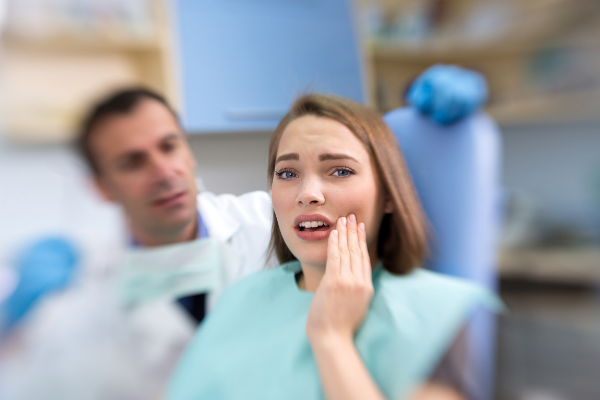
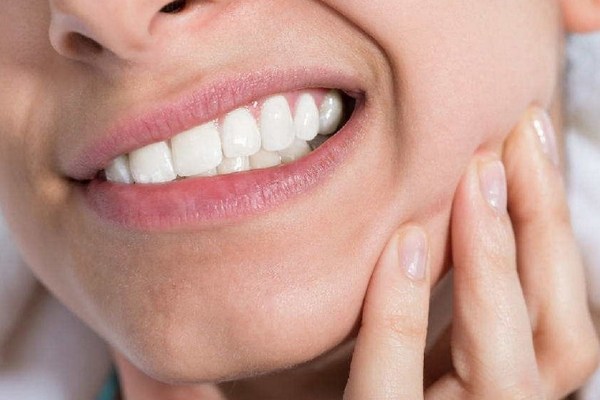
When the clot is removed prematurely, an intense, throbbing pain arises, which in many cases worsens while eating, in addition to causing a bad taste in the mouth and bad breath. All of this is the first sign to suspect the presence of a possible alveolitis.
Treatment of Alveolitis
If you recently had a tooth or any other dental piece extracted and suspect you might have alveolitis, the best course of action is to visit your dentist immediately. The specialist will clean the affected area and then cover the empty space with a special material that will help soothe the pain and act as the missing blood clot. It may be necessary to replace the dressing several times as the area heals.
Although alveolitis causes intense pain, its treatment is straightforward, and the discomfort lasts only a few days. Moreover, as with other oral infections, there is a key weapon to prevent dental alveolitis: prevention. In this case, it is important to maintain good habits, especially in the days before and after the tooth extraction.
I am Dr. Marta Herrero, with a degree in Dentistry, Medicine, and Surgery from the Autonomous University of Madrid and a Specialist in Aesthetic Dentistry, which I am truly passionate about. …Thank you from here to all those patients who have trusted in my knowledge and professionalism.
If you think this post can help your friends on social media, please share it. Thank you.
The rush, not being able to go home for lunch, skipping the diet, and overindulging in snacks, sugary drinks, and sugar-rich foods… For many people, it seems impossible to maintain good eating habits and oral hygiene when they’re away from home. So much so that 1 in 3 people forget to brush their teeth when they’re out. Some believe that performing a complete cleaning routine before bed each night is enough to protect their teeth. Whether you share that opinion, are someone who spends the whole day away from home, or are one of those with a very busy social life, all of which leads you to neglect your oral hygiene, your oral health might be starting to take a toll.
Not being able to go home doesn’t mean you should neglect cleaning your mouth. If you always carry a toothbrush with you, you can brush your teeth wherever you go. In fact, in the restrooms of many restaurants, you can now find dispensers with toothbrushes and toothpaste—some even offer a complete oral hygiene kit!
Even so, recent studies have confirmed that 21.7% of Spaniards say they never carry a toothbrush with them when they’re away from home and don’t bother to get one to brush their teeth. Chewing sugar-free gum, eating an apple, or rinsing your mouth with water are the three techniques many people believe help maintain a clean mouth. But we all know it’s not as effective as they think.
Prepare Your Oral Hygiene Kit
Leaving the house with an oral hygiene kit will help us maintain proper hygiene anywhere. Today, we’ll help you complete your oral hygiene kit so you’re never missing anything:
A foldable toothbrush so you can carry it everywhere in your pocket.
A small tube of your toothpaste.
Dental floss to remove plaque and food debris that the toothbrush didn’t catch.
If you have orthodontic appliances, remember to always leave the house with your interdental brushes. They’ll help you reach all the spots in your mouth more effectively.
The relationship between sleep apnea and cancer lies in the fact that sleep apnea is associated with worse cancer outcomes. Sleep, that pleasurable moment many look forward to at the end of the day, can become a true nightmare for those who can’t get a wink of rest due to their partner’s snoring. And it’s not just about sleeping in terms of quantity and quality, but also about how we sleep. Sleep apnea affects a percentage of people and is considered a health issue. This condition is characterized by loud snoring and, most notably, long breathing pauses of about ten seconds, which can occur more than 200 times throughout the night.
Apnea is a matter of oxygen
Breathing pauses cause organs and tissues to not receive enough oxygen supply. In this situation, the body increases the creation of new blood vessels. However, if a tumor is present, it also uses those same blood vessels to expand more quickly.
Do you know if you have sleep apnea?
80% of people who suffer from sleep apnea are unaware of it. This happens because, while asleep, they are unaware of what is happening in their body. However, there are a series of consequences that can help identify the possible existence of intermittent hypoxia. The fact is, even if sleep is not interrupted, the body does not rest, which is why it is common to feel tired and drowsy during the day. This affects the quality of life of those who suffer from it and can even be the cause of domestic and traffic accidents due to the lack of reflexes caused by not having restorative sleep. Other consequences that apnea causes in our body include cardiovascular diseases, high blood pressure, and severe headaches.
Possible Treatments
Sleep apnea can be cured, as long as the patient or a family member is able to identify it. The next step is to visit a sleep unit or a dentist to conduct a preliminary study as detailed as possible. Currently, there are devices that allow for an easy measurement of the amount of oxygen entering the body during sleep, the duration, and the number of apneas… Data that helps assess the severity of each case. Most cases can be corrected with a mandibular advancement device using a splint. This device works by widening the airway during sleep so that air can pass through without difficulty. In more severe cases, surgery may be required.
Although it is not very well known, an apicoectomy is very useful when other dental treatments have failed. Perhaps a few months ago you underwent a root canal treatment. If everything went well, you should no longer feel any pain, as removing the root of the tooth eliminates sensitivity. If this is not the case, the definitive solution for your well-being and health is an apicoectomy. This is a simple surgical procedure that involves:
removing the apex of the tooth or the tip of the root
eliminating all the infection that is causing you pain
properly cleaning and sealing the canals, that is, the space previously occupied by the tooth root.
When is it indicated?
As we mentioned earlier, an apicoectomy is performed when there is an infection in an area where a previous root canal treatment or endodontic procedure has been done. The best course of action is to repeat the root canal treatment to preserve the natural tooth. This is the main reason why an apicoectomy is considered the last resort. Your dentist will determine if you need an apicoectomy after studying your case and analyzing the situation with X-rays. An apicoectomy will be recommended when:
the tooth’s canals are very narrow and difficult to access.
a second root canal treatment is not feasible.
the tooth is fractured.
there are cysts around the tooth.
The procedure is painless, as local anesthesia is used, and the patient does not feel anything. Regarding effectiveness, over 80% of apicoectomies are successful, allowing the natural tooth to be preserved for a long time.
What care should I take after the procedure?
An apicoectomy is a surgical procedure and, as such, will require a few days of care.
The area will be swollen due to the intervention. Your dentist will prescribe you
some painkillers to reduce the swelling and discomfort it may cause.
It is also recommended to apply ice to the affected area during the first 12 hours
after the procedure. Avoid brushing the treated area when cleaning your mouth.
Instead, you can use mouth rinses to keep bacteria at bay until you can resume your usual
oral hygiene habits. Smoking delays healing, so avoid smoking.
The stitches will dissolve during the first week after the surgery. The pain and discomfort
will subside by the second week. Despite being a surgical procedure, most patients find
the recovery to be quick and fairly easy.
With a success rate exceeding 95%, dental implants have revolutionized dentistry. Many patients turn to this treatment to restore the teeth they have lost. However, there is a general lack of knowledge about how to care for and clean dental implants, which can lead to oral health issues. In this article, we will explain how to keep your implants in perfect condition.
What is a dental implant?
A dental implant is the best treatment to restore your smile, replacing lost or damaged teeth. Acting like a natural tooth, implants restore essential functions such as speaking or chewing, which can be affected by tooth loss.
If you already have implants or are considering undergoing this treatment, it is crucial to take proper care of them, just as you would with your natural teeth. Although implants are not susceptible to cavities, poor hygiene can lead to discomfort and even infections.
What happens if I don’t take good care of my dental implants?
The mouth is home to a multitude of bacteria that can cause complications if good hygiene habits are not maintained. The accumulation of bacterial plaque on the gums and teeth can lead to bleeding and inflammation. One of the first signs of inadequate hygiene is bleeding around implants, which may indicate the onset of mucositis. Mucositis is the most common complication in patients with dental implants, and if not treated in time, it can progress to peri-implantitis, which affects the bone supporting the implant. In severe cases, this condition can result in the loss of the implant.
How to Clean Dental Implants: Essential Tips
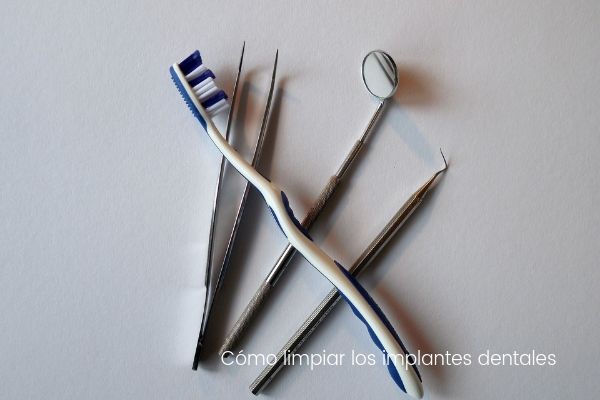
Oral hygiene is your best ally in fighting bacterial plaque and keeping both your natural teeth and implants in good condition. If you’re wondering how to clean a dental implant, here are some key tips:
Daily brushing: Brush your implants at least two or three times a day, just as you would brush your natural teeth. Use a soft-bristled toothbrush to avoid damaging your gums or the enamel of adjacent teeth.
Use oral irrigators: Oral irrigators are ideal for cleaning hard-to-reach areas, such as the spaces between the implants and the gums. This tool is especially useful if you find it difficult to use dental floss.
Interdental brushes or dental floss: The best way to clean around the necks of the implants is by using interdental brushes or dental floss. These tools help remove bacterial plaque in areas where a conventional toothbrush cannot reach.
Specific toothpaste: Choose non-abrasive toothpaste designed to be gentle on implants and gums, while still being effective against plaque.
Mouthwash: Finish your hygiene routine with a mouthwash to ensure you eliminate any food debris or bacteria that may remain in your mouth.
Avoid smoking: Smoking significantly increases the risk of complications with implants, in addition to affecting the overall health of your mouth.
Regular dentist visits: Make sure to visit your dentist regularly for check-ups and professional cleanings. Your dentist can detect any issues early and ensure that your implants remain in perfect condition.
Conclusion
Taking proper care of your dental implants is essential to ensure their durability and maintain good oral health. Follow these tips on how to clean dental implants and make sure to incorporate the use of irrigators, interdental brushes, and mouthwash into your daily routine.
Remember that poor hygiene can lead to issues such as mucositis or peri-implantitis, putting the stability of your implants at risk. With good hygiene habits and regular visits to the dentist, you’ll enjoy your implants for many years. Visit our dental clinic in Madrid to start with your dental implants treatment.
Surely you’ve heard of wasabi at some point, and in case you didn’t know, wasabi is a plant from the cruciferous family, like radish or cabbage. Due to very specific environmental requirements for the growth of this plant, its
cultivation is carried out exclusively in Japan, specifically on the island of
Sajalí, where it originates.
In recent years, influenced by the strong rise of Japanese cuisine, our own cuisine has embraced this plant as yet another ingredient. And indeed, this green spicy radish is the perfect companion to
sushi, a dish that has become one of the top culinary trends of the moment.
However, there is much ignorance about the properties and benefits this superfood brings to our well-being. Various studies have shown that wasabi has beneficial effects on our overall health, as well as on our oral health.
What benefits does wasabi have for the health of our teeth?
Wasabi, in addition to being a great source of nutrients, has anticancer, antibiotic, antifungal, cardiovascular benefits, and antibacterial properties.
Wasabi contains isothiocyanate, a compound capable of inhibiting microbial chains and thus preventing the proliferation of bacteria responsible for dental plaque. It prevents bacteria from easily adhering to teeth and, therefore, helps prevent cavities or gum diseases.
Reduces inflammation of oral wounds (such as canker sores or mouth ulcers) thanks to its anti-inflammatory properties.
Helps soothe joint pain in the jaw caused by arthritis.
Protects tooth enamel from bacterial plaques that form in our mouths.
Prevents the formation of blood clots in our body.
Besides wasabi, what other foods are beneficial for our oral health?
It has become clear that wasabi is beneficial for keeping our teeth free from cavities and gum diseases. However, there is a multitude of foods that can also be of great help in maintaining our teeth and gums in good condition.
Dairy products: Due to their high calcium content, yogurts and cheese help strengthen teeth. They also contain casein, a protein that repairs dental enamel.
Leafy green vegetables: Thanks to their high fiber content, chewing them promotes saliva production. Similarly, chewing raw fruits or vegetables helps keep teeth and gums cleaner.
Any food rich in vitamin D (a vitamin that aids in the absorption of phosphorus and calcium) helps strengthen teeth and gums and makes it harder for periodontal diseases to proliferate.
I am Dr. Marta Herrero, with a degree in Dentistry, Medicine, and Surgery from the Autonomous University of Madrid and a Specialist in Aesthetic Dentistry, which I am truly passionate about. …Thank you from here to all those patients who have trusted in my knowledge and professionalism.
If you think this post can help your friends on social media, please share it. Thank you.
This website uses cookies to improve your experience while you navigate through the website. Out of these cookies, the cookies that are categorized as necessary are stored on your browser as they are essential for the working of basic functionalities of the website. We also use third-party cookies that help us analyze and understand how you use this website. These cookies will be stored in your browser only with your consent. You also have the option to opt-out of these cookies. But opting out of some of these cookies may have an effect on your browsing experience.
Necessary cookies are absolutely essential for the website to function properly. This category only includes cookies that ensures basic functionalities and security features of the website. These cookies do not store any personal information.
Any cookies that may not be particularly necessary for the website to function and is used specifically to collect user personal data via analytics, ads, other embedded contents are termed as non-necessary cookies. It is mandatory to procure user consent prior to running these cookies on your website.


 It is also important to avoid accidental injuries by using a toothbrush with soft bristles. Reducing stress, practicing good oral hygiene, and avoiding very acidic or spicy foods are measures that significantly contribute to preventing their occurrence.