The term “dental abrasion” refers to the wear of dental pieces, often caused by excessive friction with external materials and elements on the teeth. Certain oral hygiene products can act as abrasive agents, and poor brushing techniques can also damage the enamel of the teeth.
What is dental abrasion?
As we have indicated previously, dental abrasion is the wear of enamel caused mainly by incorrect brushing or the use of abrasive agents. More than 50% of the Spanish population suffers from dental abrasion and is unaware of it until they experience its effects. Worst of all, we ourselves can be the main culprits of this condition, for example, through harsh or improper brushing. We can severely damage our teeth, not only causing the gradual loss of the enamel that covers and protects them but also leading to gum recession over time, thereby weakening the teeth.
Dental abrasion: causes, treatment, and consequences.
Dental abrasions can vary in magnitude, the speed at which wear increases, and their location. In this article, we will address all these points, as well as explain in detail what dental abrasion is, what its causes might be, and the treatments used to eliminate this problem.
Causes of Dental Abrasion
The main cause of dental abrasion is incorrect brushing, although we should not overlook other causes related to the use of external elements on our stomatognathic system, which can lead to enamel erosion, such as:
Excessive use of toothpicks after meals. It is recommended to replace this habit with dental floss.
Friction of teeth with abrasive substances and particles, as can occur with construction workers exposed to cement or miners.
Placing objects between the teeth, such as pens, pins, knives, etc.
Symptoms of Dental Abrasion
Dental abrasion is not easy to diagnose in the short term, as enamel wear occurs gradually, and therefore, symptoms take time to appear. Despite this, the most notable symptoms are the following:
Discoloration: As wear causes more dentin to be exposed over time, this can alter the appearance of the teeth, giving them a more yellowish tone. The more dentin is exposed, the yellower the teeth will appear.
Dental sensitivity: Sensitive teeth are a very common symptom of dental abrasion since the enamel that protects the teeth wears down and exposes the dentin, where the nerves are located.
Rounded teeth: The friction of certain elements against our teeth eventually gives them a more rounded appearance than usual. This is a very characteristic sign of the early stages of dental erosion.
Transparent teeth: The early loss of enamel can cause teeth to appear more transparent than normal.
Brittle teeth: When dental abrasion is more advanced, the “corners” of the teeth may begin to chip, crack, and even break.
Small holes: When dental abrasion is not treated, small holes can start to appear, primarily in the chewing areas.
Excessive sensitivity: The continuous degradation of enamel can become so severe that it reaches a point of no return, where recovery is impossible unless remineralization of the teeth is performed.
Treatment of Dental Abrasion
The dentist in Madrid confirms the abrasion after identifying its cause and, from there, determines and outlines the treatment to be carried out. This is essential because addressing the cause of the abrasion is crucial to halting its progression and ultimately deciding how to treat it. For example, adjusting dental hygiene routines with gentler brushing is one way to address erosion. In more advanced stages of dental abrasion, restoration using state-of-the-art resins and the placement of occlusal splints to prevent further wear are perfectly valid treatment options.
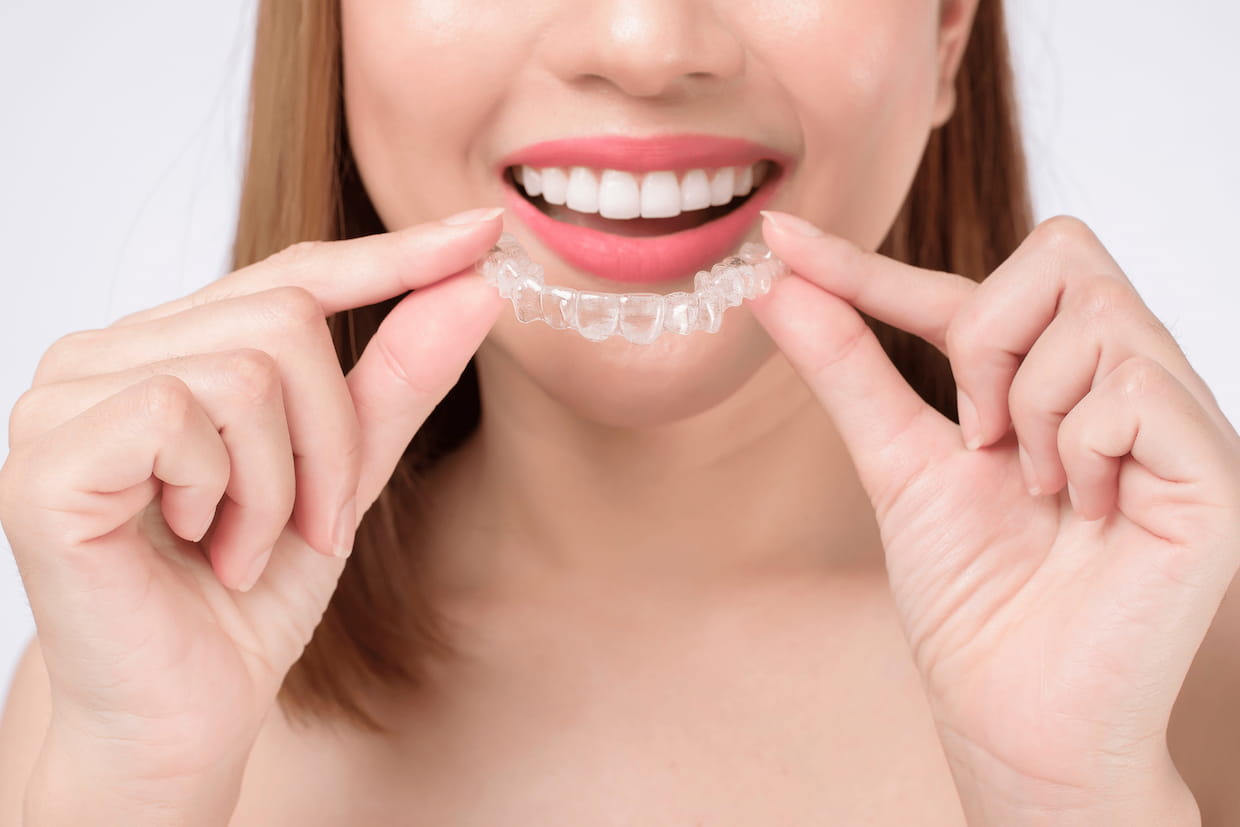
The invisible orthodontics, such as the Invisalign system, has become a popular option for those seeking a discreet and convenient way to straighten their teeth. Below, we address the most common questions and concerns about Invisalign: how it works, who the ideal candidate is, possible discomfort, and much more.
What is Invisalign?
Invisalign is an orthodontic brand that uses clear, removable aligners to correct the position of teeth. It is a discreet alternative to traditional braces since the aligners are nearly invisible, comfortable to wear, and customized for each patient. They allow for gradual teeth alignment while being removable for eating or brushing.
How does Invisalign work?
Invisalign uses a series of clear and removable aligners that gradually adjust the position of the teeth. These customized aligners are created using advanced three-dimensional imaging technology to ensure a precise and tailored treatment plan for each patient.
The aligners apply a controlled force to specific teeth at different stages of the treatment, guiding them toward their ideal position over time. This method, unlike traditional braces, offers a discreet alternative for adults and teenagers.
Invisalign is suitable for a variety of orthodontic issues, such as crowded teeth, spacing, crossbite, and overbite. Additionally, invisible orthodontics allows the aligners to be easily removed for eating and brushing, facilitating oral hygiene.
Who Should Consider Invisible Orthodontics?
Invisalign is an excellent option for people seeking a less visible orthodontic treatment. This system is ideal for mild to moderate cases of malocclusions and misalignments.
However, in more complex situations, such as severe malocclusions, traditional braces may be a better alternative.
Is Invisalign painful to use?
It is normal to experience some initial discomfort or pressure during the first few days of each new aligner. This discomfort is a positive sign that the aligners are repositioning the teeth. As the teeth adjust, this discomfort decreases.
Some patients may notice slight changes in speech during the first few days, but these effects are temporary and naturally resolve with regular use.
Is Invisalign Really Invisible?
One of the main advantages of Invisalign is that it is practically invisible. The clear aligners blend with your teeth, making the treatment unnoticeable in social and professional settings.
However, sometimes attachments —small composite bumps— are used to help the aligners perform micromovements to guide the teeth into their ideal position.
How Long Does Invisalign Treatment Last?
The duration of the treatment varies for each case, but it generally ranges from several months to a few years. The time depends on factors such as the degree of misalignment and the frequency of aligner use. Patients are advised to wear the aligners for 20 to 22 hours a day to achieve optimal results.
Can I Eat and Drink While Wearing the Aligners?
One of the advantages of Invisalign is that it allows patients to remove the aligners to eat and drink. It is essential to remove the aligners before consuming anything other than water and to brush your teeth before putting them back on. This prevents stains and cavities and ensures that the aligners remain clear and free of residue.
How should I care for my Invisalign aligners?
To keep the aligners clean, it is recommended to rinse and brush them with a soft toothbrush. Additionally, the aligners should be stored in their case when not in use to avoid loss or damage. It is advisable to attend regular dental check-ups to monitor progress and ensure continued oral health during treatment.
What types of orthodontic problems can Invisalign treat?
Invisalign can help correct various issues, including:
Dental crowding
Dental spacing
Crossbite
Overbite
Open bite
Each case is evaluated individually, and your orthodontist will design a personalized treatment plan to address your specific needs.
This FAQ guide about Invisalign provides a comprehensive overview of how the treatment works, its duration, the necessary care, and who the ideal candidates are. If you still have questions, contact your dental center in Madrid for more information.
Dental Microveneers have become a popular option for those looking to enhance their smile quickly, effectively, and without invasive procedures. At Smiling Dental Center, we specialize in providing personalized solutions for each patient, using the most advanced techniques and the best materials. Below, we explain in detail what dental microveneers are, their benefits, the placement process, costs, and the necessary care to ensure long-lasting results.
What Are Dental Microveneers?
Microveneers are thin porcelain sheets, with a maximum thickness of 0.5 mm, designed to adhere to the front surface of the teeth, enhancing their aesthetics in a natural and effective way.
Unlike traditional veneers, microveneers require minimal or no dental preparation, making them a minimally invasive treatment, ideal for those seeking quick and long-lasting results without compromising the structure of their teeth.
Benefits of Dental Microveneers
Exceptional durability: Microveneers are designed to withstand daily wear and tear, providing a long-lasting aesthetic solution that can maintain its integrity for over 20 years.
Natural appearance: Thanks to their custom design, microveneers blend seamlessly with the rest of the teeth, replicating the natural look of dental enamel and ensuring a harmonious and attractive smile.
Active patient involvement: At Centro Dental Smiling, we involve our patients in the design of their smile, allowing suggestions and ensuring that the final result meets their expectations.
Result preview: Before the final placement, we conduct a test called a mock-up, which allows the patient to see how their microveneers will look in their mouth, providing peace of mind and satisfaction before completing the treatment.
Minimally invasive treatment: Microveneers require little to no dental preparation, making it a quick, efficient, and virtually painless procedure.
Advanced technology: We use digital design techniques to create custom microveneers that fit the shape and size of your teeth, ensuring precise and aesthetically flawless results.
Types of microveneers: Porcelain microveneers are the only type of microveneers available. They stand out for their excellent durability and natural aesthetic finish, making them the ideal choice for those seeking a long-lasting aesthetic solution. They can last over 20 years and almost perfectly mimic the appearance of natural dental enamel, offering an extremely natural and attractive result.
Placement Process for Microveneers
The placement process for microveneers at Centro Dental Smiling is carried out in three phases, ensuring precision and satisfaction:
Smile Design: During the first appointment, the patient shares their aesthetic needs, and we carry out various diagnostic tests, initiating the process of designing the microveneers. At Centro Dental Smiling, we use 3D digital design technology to personalize each microveneer treatment, ensuring precision and satisfaction with every smile. Using a 3D scanner, we capture the anatomy of the teeth and gums. Based on this image, we create a DSD, Digital Smile Design.
Mock-up or Trial: Once the digital design is approved by the patient, we move on to the Mock-Up phase, where we create a model of the approved design using a 3D printer. From this model, we obtain a key that allows us to apply temporary fluid composites, giving the patient a preview of the shape, volume, and anatomy of the future veneers. This preview phase is a significant advantage over conventional veneers, as the patient can see how their smile will look, allowing them to evaluate the result in conjunction with their lips, nose, and facial features before the final placement of the dental microveneers.
Cleaning: To achieve a flawless result, we perform a cleaning and, if necessary, dental whitening. Based on the changes achieved, we can determine the shades that best integrate with the proposed aesthetic solution.
Placement of the Microveneers: During the third and final visit, we quickly place the microveneers. The entire treatment can be completed in 3 weeks.
As you can see, the process of placing dental microveneers is quick and uncomplicated, as long as it is performed using the latest technology and by specialists in microveneers. If you’d like to see the process of placing microveneers in more detail: Instagram Post, and if you’d like to see an explanation of the 3D digital design: Instagram Post.
Price of Dental Microveneers
The price of microveneers can range between €695 and €1,500 per tooth, depending on the complexity of the case and other factors.
If you need more information about the price of dental microveneers in Madrid, feel free to contact us for more details. We will address your questions as soon as possible.
Care Tips to Maximize the Durability of Microveneers
Although microveneers are very durable, it is important to follow some care tips to ensure their longevity:
Avoid biting hard foods: To prevent possible damage or detachment.
Maintain good oral hygiene: Daily brushing and flossing are essential to preserve dental health and the aesthetics of the microveneers.
Regular dentist visits: Periodic check-ups ensure that any issues are detected early.
Use of a bruxism guard: If you grind your teeth, we recommend using a protective guard to prevent premature wear of the microveneers and avoid future problems.
Opinions on Dental Microveneers
Opinions on dental microveneers are very positive due to their natural appearance and durability. Many highlight:
Enhanced Aesthetics: Patients notice an immediate change in the appearance of their smile.
Simple Procedure: Quick and painless. This is one of the key aspects most highlighted by patients. It allows for great results without causing discomfort.
Natural Look: The result is a natural and harmonious smile. And, above all, long-lasting.
Publicado en Google
CLARA BREÑA CANTERO
18 Octubre 2024
Trustindex verifica que la fuente original de la reseña sea Google.
La atención espectacular, del primero al último trabajador de la clínica. Poseen la última tecnología, te hacen un análisis pormenorizado de todo lo que necesitas y se toman todo el tiempo que necesitas. Los doctores son increíblemente profesionales y empáticos, y te hacen sentir muy cómodo. Sin duda 100% recomendable.
Publicado en Google
Sir'baron scobybear'Og O'Brogain
10 Octubre 2024
Trustindex verifica que la fuente original de la reseña sea Google.
In my 40 years on planet earth iv never had a better pain free dental appointment,the part I dread is the injection but I felt absolutely nothing,had a real warm welcome when I stepped through the door from the amazing friendly staff. Excellent professional service
Publicado en Google
prbullen
16 Septiembre 2024
Trustindex verifica que la fuente original de la reseña sea Google.
I had a crown come off while on a visit to Madrid. SMILING took me immediately (which was a very pleasant surprise!), and I was back on the street "in no time" with the crown back in place. It all went very smoothly, and I appreciated the explanation not just of what we were doing but of what they were finding (e.g. on the orthopantomografia, similar to an xray). Everyone was very friendly, and they all spoke excellent English. Very modern equipment & a very professional outfit. I definitely recommend Centro Dental Smiling!
Publicado en Google
Colin MacQuarrie
9 Septiembre 2024
Trustindex verifica que la fuente original de la reseña sea Google.
I had an overlay come loose while on holiday from Scotland and booked an appointment at Centro Dental Smiling. The service I received was excellent and really good value for money. All the staff I met were friendly and professional and I have no hesitation in recommending the practice to anyone else who has dental issues while in Madrid. The staff spoke really good English and my overlay is now reattached and I can get on with enjoying my holiday.
Publicado en Google
Troy du Toit
30 Agosto 2024
Trustindex verifica que la fuente original de la reseña sea Google.
Really great experience. They squeezed me in and had exceptional service. Very happy with the work they did as well. Will 100% go back! Thanks guys.
Publicado en Google
Martín Moreno
28 Agosto 2024
Trustindex verifica que la fuente original de la reseña sea Google.
Salí muy contento con el resultado y la atención es muy buena.
Publicado en Google
ShawMender
1 Agosto 2024
Trustindex verifica que la fuente original de la reseña sea Google.
Amazing services and the staff is highly skilled and polite, ai recommend this clinic 100% all of them speak English. They treated my husband (with 2 broken teeth) very good 👍🏼
Publicado en Google
Yuan Hu
1 Agosto 2024
Trustindex verifica que la fuente original de la reseña sea Google.
This is the best guest service i have been experienced in spain, the quality of service and price are perfect. The best thing is everyone speaks english , they deserve better reviews and more guest
Publicado en Google
Emre Espada
19 Julio 2024
Trustindex verifica que la fuente original de la reseña sea Google.
It was an excellent experience. We were informed with every detail of the operation and the staff were very friendly. I have had a dental cleansing operation. The clinic is very clean and easy to reach. I highly recommend it. 👌
Publicado en Google
Chloe Harley
5 Julio 2024
Trustindex verifica que la fuente original de la reseña sea Google.
I went to Centro dental mid travel around Europe as I was in very bad tooth pain. The whole team there were awesome, they all have very good English and explained every step of the service to me. I had an emergency root canal done, they were very quick and all my pain was gone so I’ve been able to enjoy the rest of my trip!
Ideal Option: Dental Microveneers in Madrid
If you want to enhance your smile with a minimally invasive and long-lasting aesthetic treatment, dental veneers are the ideal option. They offer a solution to improve your smile in record time without pain, discomfort, or complicated procedures. In just three sessions, you can enjoy a flawless dental aesthetic solution. At our dental clinic in Madrid, our specialists are ready to advise and guide you through every step of the process, ensuring exceptional results that will restore your confidence in your smile. Schedule your consultation today and discover how veneers can transform your smile.
If you want to check some microveneers examples, take a look at the link below:
Bulimia nervosa is a complex eating disorder that affects both the body and the mind. Let’s explore exactly what this disorder is and why it is crucial to understand its impact on the dental health of those who suffer from it.
What is Bulimia Nervosa?
Bulimia nervosa is characterized by recurrent episodes of binge eating followed by compensatory behaviors to prevent weight gain. These behaviors may include:
Self-induced vomiting
Misuse of laxatives or diuretics
Fasting
Excessive exercise
People with bulimia often have an excessive preoccupation with their weight and body shape, which significantly influences their self-esteem.
Main Characteristics of Bulimia Nervosa
Binge Eating: Consumption of an amount of food larger than what most people would eat in similar circumstances, within a short period of time.
Sense of Loss of Control: During binge eating episodes, the person feels they cannot stop eating or control what or how much they are eating.
Compensatory Behaviors: Actions aimed at preventing weight gain after binge eating episodes.
Self-Evaluation Influenced: Weight and body shape have an excessive influence on the person’s self-assessment.
Relationship Between Bulimia and Dental Health
As we have seen, bulimia is characterized by episodes of binge eating followed by compensatory behaviors, the most common being purging through self-induced vomiting.
This binge-purge cycle has a devastating effect on dental health due to several factors:
Erosion of Dental Enamel:
The gastric acid that reaches the mouth during vomiting has a very low pH (around 2.0).
This acid is capable of dissolving the minerals in dental enamel, the protective layer of the teeth.
Over time, this leads to thinning and weakening of the enamel.
Changes in Dental Structure:
The loss of enamel can cause changes in the shape and color of the teeth.
Teeth may become more yellowish, as enamel is whiter than the underlying dentin.
The edges of the teeth may become thinner and more translucent.
Increased Dental Sensitivity:
As enamel erodes, teeth become more sensitive to cold, heat, and acidic or sweet foods.
This can cause significant pain and discomfort during eating.
Higher Risk of Cavities:
Weakened enamel is more susceptible to cavity formation.
Dietary changes associated with bulimia (such as consuming high-sugar foods during binge episodes) also increase this risk.
Problems with Gums and Soft Tissues:
Frequent vomiting can irritate and damage the gums and other soft tissues in the mouth.
This can lead to inflammation, bleeding, and a higher risk of infections.
Bite Alterations:
Dental erosion can change the way teeth align and fit together.
This can lead to problems with the temporomandibular joint (TMJ) and pain while chewing.
Preventive and Care Measures
Although treatment for bulimia is essential to prevent further damage, there are measures that can help protect dental health:
Do not brush immediately after vomiting:
Brushing right after can increase erosion of the already weakened enamel.
Instead, it is recommended to rinse the mouth with water or a baking soda solution to neutralize the acid.
Use of special mouthwashes and toothpastes:
Products with high fluoride content can help strengthen the enamel.
Mouthwashes that help restore the mouth’s pH are beneficial.
Proper hydration:
Drinking enough water helps dilute acids in the mouth and stimulates saliva production.
Regular visits to the dentist:
Frequent check-ups can help detect and treat problems early.
Dentists can apply professional fluoride treatments to strengthen the enamel.
Consider using mouthguards:
In severe cases, dentists may recommend the use of mouthguards to minimize contact between acid and teeth during vomiting.
It is crucial to understand that, while these measures can help mitigate dental damage, treating bulimia itself is essential for long-term oral health. A multidisciplinary approach that includes psychological, nutritional, and dental care is fundamental to addressing both the symptoms and the underlying causes of this disorder.
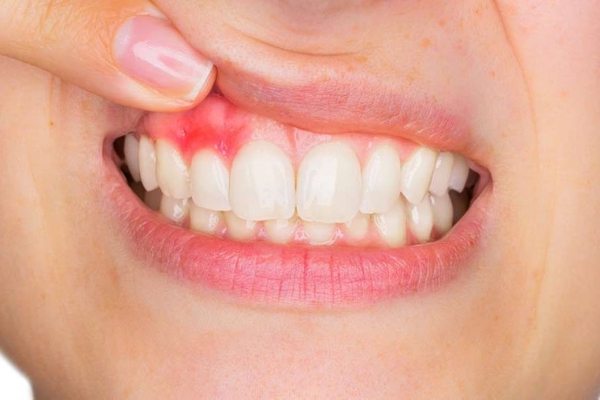
It is very likely that, at some point in front of the mirror, you have noticed that your teeth look longer than usual or that the gum line has shifted upwards. This sensation is not just an aesthetic perception; gum recession, commonly known as receding gums, is one of the most common oral health issues today.
Far from being just a cosmetic concern, receding gums act as a warning sign from our body. If not addressed in time, this condition can lead to acute tooth sensitivity, the development of cavities on root surfaces lacking protective enamel, and even progressive loss of the bone supporting the teeth. In this article, we will explore in depth the solutions for receding gums, covering everything from correcting daily habits to cutting-edge clinical treatments.
Why do gums recede?
Gum recession rarely occurs due to a single cause; it is usually the result of a combination of genetic factors and lifestyle habits. Understanding the origin is the first step to halting the process:
Periodontal Disease: This is the most severe cause. The buildup of plaque and tartar triggers an infection that progressively destroys the gum tissue and the alveolar bone that supports the teeth.
Brushing trauma: Paradoxically, excessively aggressive oral hygiene can be harmful. Using hard-bristled brushes or overly vigorous techniques literally “wears away” the soft tissue.
Mechanical factors and bruxism: The involuntary habit of clenching or grinding teeth puts excessive pressure on the gum line, which can force it to recede. Similarly, poor dental alignment (malocclusion) distributes pressure unevenly, affecting tissue stability.
Lifestyle and overall health: Smoking reduces blood flow to the gums, hindering their ability to regenerate and defend themselves. Systemic conditions such as uncontrolled diabetes can also exacerbate gum inflammation.
Warning signs and preventive care
Recession is usually gradual, so it is vital to learn to identify early signs before significant damage occurs. The most characteristic symptoms include:
Tooth hypersensitivity: Sharp discomfort when consuming very cold, hot, or sweet foods due to exposed tooth roots.
Visual changes: The appearance of “black gaps” between teeth or a visible color difference between the crown and the exposed root.
Recurring inflammation: Gums that turn bright red, swell, or bleed easily during brushing or flossing.
To stop the progression of this problem, prevention is our best ally. It is essential to maintain proper oral hygiene, prioritizing soft-bristled brushes and gentle sweeping techniques that do not harm the tissue. Complementary use of dental floss or interdental brushes is indispensable to remove bacteria where the toothbrush cannot reach.
Advanced treatments to restore gum health
Although it is commonly believed that gums can regenerate naturally, once tissue is lost, professional intervention is usually required to restore it. Depending on the degree of recession, there are several treatment options:
Scaling and root planing
When the cause is periodontal disease, a deep cleaning is performed below the gum line. This treatment removes tartar accumulated on the roots, allowing the inflamed tissue to disinfect and reattach to the tooth, thus stopping bone loss.
Microsurgery and Gum Grafts
In cases where the root is highly exposed or there is a risk of tooth loss, a gum graft is the most definitive solution. It involves taking a small tissue sample (usually from the patient’s own palate) to cover the recessed area. This high-precision procedure not only improves aesthetics but also strengthens the tooth’s natural protection.
Dental Veneers: The aesthetic solution for recession sequelae
Even after successfully halting gum recession, it is common for the smile to show visible sequelae that affect patient confidence. Tissue loss often exposes the tooth root, creating the appearance of “long” and disproportionate teeth. In this scenario, dental veneers for receding gums become an excellent aesthetic dentistry tool to restore lost harmony.
These porcelain or composite veneers, custom-designed for each patient, offer an immediate transformation addressing three critical issues:
Correction of tooth proportion: By covering the exposed part of the tooth, veneers allow visual length adjustment. This eliminates an aged or asymmetrical appearance, giving teeth a balanced and aesthetically pleasing size.
Elimination of “black triangles”: When gums recede, the papillae (tissue filling the space between teeth) disappear, leaving unsightly dark gaps. Veneers are strategically shaped to close these spaces, improving aesthetics and preventing food from getting trapped.
Uniform tone and texture: The root has a yellower color and a different texture than the crown enamel. Veneers unify the color of the entire tooth, achieving a natural, glossy finish that integrates seamlessly with the rest of the mouth.
Key considerations before treatment
It is vital to understand that veneers are a restorative and aesthetic solution, not a remedy for periodontal disease. Clinical protocols require a strict sequence:
Health before aesthetics: Veneers should never be placed if there is active inflammation, bleeding, or infection. The first step is always periodontal treatment to ensure the “foundation” (the gums) is healthy and stable.
Additionally, in patients whose recession was caused by bruxism, it is essential to use a night guard after veneer placement. Otherwise, excessive pressure could fracture the veneers or cause further gum recession, exposing the veneer edge and compromising long-term results.
If you want to regain confidence in your smile after overcoming gum issues, veneers provide the final touch for a mouth that is not only healthy but radiant.
A long-term commitment to your smile
Stopping gum recession is possible when precise clinical diagnosis is combined with real changes in daily habits. Avoiding tobacco, managing stress to reduce bruxism, and attending regular check-ups are simple steps that make the difference between keeping your natural teeth or facing more complex treatments in the future.
If you notice any of these symptoms, do not wait until discomfort becomes persistent. Early detection allows for less invasive treatments and ensures your smile remains healthy and functional for many years.
Bad breath or halitosis can affect many people, often without them realizing it. It is essential to know how to identify if your breath smells bad in order to take action and improve your oral health. In this article, we will provide you with tips and methods to determine if you have bad breath and how to fix it.
What is bad breath?
Bad breath is a common problem that occurs when the breath has an unpleasant odor. It can be related to oral issues such as the buildup of bacteria, cavities, or gum disease, but it can also be caused by other factors like digestive problems or illnesses. It is important to identify it early to treat it properly. Bad breath can be an indicator of other health conditions, so detecting it is essential to take action. From simple oral hygiene to treating digestive conditions, the first step is recognizing if you truly have halitosis and why it occurs.
How to know if you have bad breath?
To know if you have bad breath, one option is to ask someone close and trustworthy to tell you. However, there are ways to check it yourself. For example, you can lick the back of your hand and smell it. If you detect an unpleasant odor, it’s likely that you have halitosis. Another option is to use a bad breath test that allows you to measure the freshness level of your breath. In addition to these methods, you might also notice if your breath smells bad after eating certain foods, like garlic or onion. If the bad smell persists throughout the day, it could be a sign of an underlying issue that requires attention.
Common signs of bad breath
Some common signs that you have bad breath include a dry mouth upon waking, a bitter or acidic taste, and a white tongue or one covered in plaque. If you experience these symptoms, it’s possible that your breath is stronger than usual. Pay attention to unpleasant odors, especially in the morning, when breath tends to be at its strongest. The buildup of bacteria on the tongue and gums can also contribute to bad breath. If you don’t brush your tongue properly, bacteria multiply and produce a bad smell in the mouth. This is a key aspect when it comes to maintaining fresh breath.
Common Causes of Bad Breath
Bad breath can have various causes, such as poor oral hygiene, gum infections, or digestive problems. Even if you brush your teeth regularly, the accumulation of bacteria on the tongue or tonsils can cause an unpleasant odor. In some cases, systemic diseases, such as liver or kidney conditions, can also lead to halitosis. Diet also plays an important role in oral health. Foods like garlic or onion can cause temporary bad breath, while gastrointestinal issues may contribute to chronic bad odor. If you notice that bad breath persists despite proper hygiene, it is advisable to seek professional care.
Halitosis and its relationship with the tongue
Halitosis is often associated with the tongue, as bacterial plaque can accumulate on it, causing bad breath. Make sure to brush your tongue during your daily oral hygiene routine to eliminate bacteria and reduce odors. If left untreated, a dirty tongue can be one of the main causes of bad breath. In addition to brushing, you can use tongue scrapers, which are very effective at removing food debris and bacteria that cause bad odors. Remember that complete oral hygiene includes taking care of your tongue.
How to know if your breath smells? Methods to check
If you’re wondering “how do I know if my breath smells?”, there are several methods you can use to check. A simple way is to perform the halitosis test, which you can find online or at some dental clinics. You can also smell your own breath indirectly, such as by licking your wrist and smelling it after a couple of seconds. If the smell is unpleasant, it’s likely that your breath has halitosis. It’s recommended to use these methods throughout the day to get a more accurate picture of your breath. Bad breath tests provide more concrete results if you’re genuinely concerned about the odor coming from your mouth.
Tips to Detect Bad Breath
If you want to know if your breath really smells, one of the simplest tricks is to lick the back of your hand. Let the saliva dry and then smell the area you licked. If you notice an unpleasant odor, it’s a sign that you have bad breath. You can also use a bad breath test that measures the level of halitosis in your mouth.
Another effective trick is to use a small spoon or spatula to gently scrape the back of your tongue. If the scraping leaves a strong or unpleasant smell, it could be a sign that you have a buildup of bacteria in that area.
How to Eliminate Bad Breath: Effective Solutions
There are several ways to eliminate bad breath. First of all, make sure you maintain good oral hygiene. Brush your teeth at least twice a day and use dental floss to remove food particles stuck between your teeth. If bad breath persists, you may need to consult a dentist to rule out other health issues. Regular use of a mouthwash can also be helpful in combating bad breath and keeping your mouth fresh. Choose mouthwashes that contain antibacterial properties to eliminate the bacteria that cause bad odors. Brush your teeth at least twice a day, also using interdental brushes and dental floss to remove food debris and plaque buildup between your teeth, which can be a source of bad odors.
Solutions for Morning Bad Breath
If your breath is stronger in the morning, the cause may be dry mouth during the night. While sleeping, saliva production decreases, which causes bacteria to accumulate. To combat this, make sure to drink enough water before going to bed and use an antibacterial mouthwash to keep your mouth clean. Additionally, using a humidifier in the room can also help prevent dry mouth and improve your breath upon waking. Maintain healthy habits to ensure your mouth stays hydrated.
Other conditions related to bad breath
In addition to poor oral hygiene, bad breath can also be caused by digestive issues or underlying illnesses. Some people experience halitosis due to gastritis, acid reflux, or liver problems. If you notice that bad breath persists despite improving your hygiene, it is advisable to consult a doctor. Bad breath can also be caused by oral conditions such as gum infections. Maintaining optimal oral health is key to avoiding these problems and having fresh breath.
Dry mouth and bad breath
Dry mouth is one of the main causes of bad breath. If you don’t produce enough saliva, bacteria can proliferate and cause an unpleasant odor. Drinking water regularly and avoiding sugary or alcoholic beverages can help you prevent dry mouth and improve the freshness of your breath. It is also important to avoid tobacco, as it can contribute to dry mouth and worsen bad breath. Maintain proper hydration throughout the day.
Frequently Asked Questions About Bad Breath
If you have concerns about your bad breath, here we answer some common questions:
Is it possible to smell your own breath?
Yes, it is possible to smell your own breath. You can do this by licking the back of your hand or using a bad breath test. Although it’s not always easy to detect bad breath, these methods are helpful to get an idea of how your breath smells.
What should I do if my breath smells?
If you notice that your breath smells, the first thing you should do is improve your oral hygiene. Brush your teeth, use dental floss, and antibacterial mouthwashes. If bad breath persists, consult your dentist or doctor to rule out any underlying illnesses.
Long-term Bad Breath Prevention
Prevention is key to avoiding bad breath in the long term. Maintain good oral hygiene, drink enough water, and follow a balanced diet. Avoid foods that contribute to bad breath and consider using mouthwashes with antibacterial properties. By maintaining these oral health habits, you will not only reduce the risk of bad breath but also improve your overall well-being.
When to Visit a Dentist or Specialist
If your bad breath persists despite your efforts to eliminate it, it may be time to consult a dentist. Chronic halitosis can be a symptom of a more serious issue, such as an infection or systemic disease. A dentist can help you identify the cause and recommend appropriate treatment. Bad breath can be uncomfortable, but it is easy to manage if you follow the right recommendations. We hope you now have some tools to detect and address this issue. Remember, good oral hygiene and regular visits to the dentist are essential for maintaining fresh breath.
Years ago, if someone had suggested getting braces after adolescence, you would have thought it was crazy. Today, the trend is the opposite. More and more people are turning to orthodontics after finishing high school, or even college, to achieve a perfect smile. This includes those who, having undergone orthodontic treatment during childhood, return to the specialist to correct teeth that have shifted again. Techniques and treatments have advanced significantly in recent years, and today we have new and improved solutions to achieve and maintain proper teeth alignment. At this stage, orthodontic retainers are perfect allies.
What are orthodontic retainers?
Having perfect teeth is a dream for many. The orthodontic appliances we use help correct imperfections such as crooked or crowded teeth, gaps between teeth, and even overbites. However, once the specialist removes the braces, the treatment must continue. This retention phase is just as important as the previous one, as its goal is to minimize the movement of the teeth that the braces have corrected. The best thing about these small devices, known as retainers, is that they are not bothersome and many are invisible.
Types of Retainers
Orthodontic retainers act as safeguards to keep our teeth aligned after orthodontic treatment. For this purpose, there are several options that the specialist may recommend to each patient:
Fixed: this retainer is a small wire placed on the inner side of the teeth, remaining out of sight, making it practically invisible. To maintain its stability, it is attached to the canines and can stay in place for many years without needing removal. Both its placement and removal must always be performed by a specialist, and due to its discreet composition, it does not pose any difficulty in maintaining proper oral hygiene.
Removable: the different types of removable retainers can be easily placed and removed by the patient. In fact, it is most common for the specialist to recommend using them during nighttime hours. The main removable retainer is called Essix, a transparent custom-made tray for each patient that covers the entire dentition. Another removable retainer is the Hawley, which consists of an arch-shaped wire that outlines the teeth.
It is likely that at first you will feel a strange sensation when wearing the retainers, but over time they will become unnoticeable.
The teeth whitening is a dental aesthetic treatment that consists of lightening the color of the teeth with the goal of achieving a brighter smile.
It is one of the most requested dental treatments due to the excellent results it offers, in addition to being a simple, painless, and complication-free process.
At Centro Dental Smiling, specialists in dental health and aesthetics in Madrid, we have a team of qualified professionals who will carry out an evaluation and prior diagnosis to select and adapt this treatment to the needs and situation of each patient.
There are several questions that our patients often ask us regarding teeth whitening.
What results can I achieve with teeth whitening?
The goal of teeth whitening is to lighten the color of the teeth and provide a new shine to our smile, eliminating stains and yellow or dark tones. Not only do we achieve a new brightness, but we also unify the tone.
Our team at Smiling Dental Center will perform a diagnosis of the condition of your teeth and determine the type of teeth whitening that best suits you. Therefore, the final result will depend on each patient.
What types of teeth whitening are there?
At Smiling Dental Center, we offer two types of teeth whitening:
In-clinic: This is a dental whitening procedure using photoactivation through the application of a 15% hydrogen peroxide whitening gel and its exposure to a cold LED light. We use the latest technology, Philips Zoom WhiteSpeed, the #1 whitening brand that offers superior results and efficacy—up to 50% better compared to other professional whitening alternatives. It can achieve up to 9 shades whiter. It is painless, quick, and effective. Your enamel remains unharmed, and it is backed by extensive clinical research and safety studies.
At home: This type of whitening involves taking molds of the patient’s mouth to create custom-made, transparent plastic trays in the laboratory that fit perfectly to the patient’s dental arch. If the treatment is to be carried out at home, it must always be done under the supervision of the dentist, with the patient attending a follow-up appointment at the clinic once a week.
How Long Does Teeth Whitening Last?
Over time, teeth deteriorate, develop stains, and lose their natural whiteness. In addition to this temporal factor, diet, oral hygiene, and the unique characteristics of our teeth also play a role.
Teeth whitening helps us recover many of these lost shades.
The duration and effectiveness of the results largely depend on how well we care for our teeth and the foods we consume. It will be important to follow the recommendations provided by our team to help maintain the achieved results.
It is recommended, depending on each patient’s progress, to undergo a teeth whitening session once a year to maintain the results.
Does Teeth Whitening Have Side Effects?
The dental whitening treatment is safe and painless. Occasionally, some patients may feel their teeth are especially sensitive for up to 48 hours after the procedure.
Although it generally has no contraindications, in some cases special care must be taken. Patients under 18 years of age, pregnant or breastfeeding women, or individuals with periodontal diseases are some examples of patients for whom dental whitening should be examined in greater detail. If necessary, the procedure can be postponed or substituted.
How can I maintain the results of dental whitening?
It is important to follow the hygiene and dietary recommendations provided by our team.
During the treatment and the 15 days following it, our teeth are more prone to becoming stained again. Therefore, it is ideal to follow a “white diet,” avoiding certain foods (coffee, tea, citrus fruits, wine, among others) and refraining from smoking.
Who Can Get Teeth Whitening?
Anyone can, as long as they maintain good dental hygiene, do not have cavities, or any other gum problems.
How Much Does Teeth Whitening Cost?
The cost of teeth whitening is one of the first questions our patients ask. It usually depends on each patient and the type of whitening chosen. Feel free to ask us about the solution that best suits you.
At Smiling Dental Center, we have a team specializing in dental aesthetics and the latest teeth whitening technologies in the heart of Madrid.
If you have any questions, want more information about this treatment, or book your appointment to get teeth whitening, contact us by phone or email.
Can you imagine what it would be like to have a smile designed exclusively for you? At Centro Dental Smilling, we make it possible thanks to Digital Smile Design (DSD). This treatment combines the best of 3D technology and dental aesthetics to create a unique smile design tailored to your features and preferences. We explain what this revolutionary process entails, how it works, and why smile design could be the key to transforming your image and confidence.
What is Digital Smile Design?
The smile design is a treatment that uses advanced digital tools to plan and create a personalized smile. Using 3D technology, digital scans, and specialized software, we analyze every detail of your teeth and gums to offer you a unique aesthetic solution. In other words, 3D smile design not only enhances your appearance but also boosts your self-esteem. And the best part: you can visualize the result before starting, thanks to our smile design before-and-after methodology.
Advantages of Smile Design
Our approach to smile design stands out for its multiple benefits:
Custom Smile: Each smile design is personalized to reflect your style and harmonize with your face.
Preview the result beforehand: You can see the smile design before and after with a digital and physical mock-up prior to making a decision.
Non-invasive method: We respect your natural teeth, avoiding unnecessary wear.
Guaranteed precision: 3D technology ensures an exact and high-quality result.
Active participation: You are part of the process, ensuring the final result is exactly what you desire.
Who is Smile Design for?
Smile design is ideal for anyone who wants to renew their smile. It is especially useful in cases such as:
Placement of dental veneers: Perfect for correcting stains, misalignments, or minor aesthetic defects.
Dental restorations: Including crowns or replacement of old veneers.
Aesthetic balance: To adjust the proportion between teeth and gums, achieving a harmonious result.
Steps of the 3D Smile Design
Each stage of the smile design process is carefully planned to
offer you the best possible result:
1. First consultation
We start by listening to you. We want to know what you expect from your smile and what
details you would like to improve.
2. Digital records collection
We perform a 3D scan of your mouth and take intraoral and facial photographs.
Sometimes, we record videos to observe how your smile moves when
you speak or laugh.
3. Digital planning
We use advanced software to design a proposal that shows how your ideal smile will look. This step allows us to create a 3D smile design that perfectly suits your needs.
4. Mock-up Test
We present a physical mock-up that we temporarily place over your teeth, so you can see and feel what the final result will be like.
5. Final Transformation
Once the design is approved, we proceed with the definitive treatment, which may include veneers, crowns, or other aesthetic procedures.
Frequently Asked Questions About Digital Smile Design
It’s normal to have questions before undergoing an aesthetic change. Here we answer some common questions about smile design:
What is a smile design? It is a personalized treatment that uses 3D technology to analyze and plan the perfect smile, adapting it to your facial features.
Is the process painful?
No. It is a non-invasive method that does not require anesthesia or complex procedures.
How long does it take?* The initial stages, such as analysis and design, are usually completed in two or three appointments.
Is it suitable for everyone?* Yes. The 3D smile design is accessible to anyone, regardless of age or dental condition.
Smile Design and Veneers
Digital Smile Design (DSD) is a key step for treatments like dental veneers. These porcelain or composite laminates correct minor imperfections, improve tooth color, and achieve a natural finish. Thanks to 3D smile design, we ensure that the veneers integrate perfectly with your new smile.
Digital Smile in Madrid
At Smilling Dental Center, we have been performing the most advanced dental treatments for years using the latest technology in each field to achieve the best results in every procedure. If you need a smile design in Madrid, contact us today to book your appointment and start working on your case.
At Smiling Clinic, we are specialists in aesthetic dentistry. Our patients, after being in our hands, experience the wonderful feeling of looking more attractive by having a radiant and beautiful smile.
We live in a time where the worship of the body, youth, and beauty
has reached higher levels than ever before.
The smile is one of the distinguishing traits of humans. The most widespread beauty standards feature a white smile with aligned teeth as the protagonist. The best conversations, encounters, friendships, and relationships with others begin with a smile. The smile is an ideal bridge for communication. Moreover, the smile helps project a more confident image of oneself and boosts self-confidence, which helps us establish and maintain social bonds. It is, therefore, a very powerful tool. Today more than ever, many of our patients come to the clinic knowing that there are a significant number of treatments to improve the aesthetics of their smile. From the very first moment, we strive to ensure that our patients understand that dental aesthetic treatment depends on the characteristics of each individual patient.
Aesthetic dentistry makes it possible to achieve a beautiful and natural smile.
We know that the criteria for beauty vary from person to person. For this reason, every time we perform any dental aesthetic treatment, we strive to ensure that the natural beauty of the smile integrates seamlessly with the person’s facial features as well as their personality. We all know people who have wanted or been persuaded to change their smile in an unnatural way, and after the treatment, we can see that the new smile appears as an artificial addition to the face. Therefore, for us, it is key that the smile is radiant and harmonious with the patient’s facial features.
To achieve this goal, we place our patient at the center, listening to them at all times so that the patient, together with our specialists, becomes a co-author in the design of their own smile.
This website uses cookies to improve your experience while you navigate through the website. Out of these cookies, the cookies that are categorized as necessary are stored on your browser as they are essential for the working of basic functionalities of the website. We also use third-party cookies that help us analyze and understand how you use this website. These cookies will be stored in your browser only with your consent. You also have the option to opt-out of these cookies. But opting out of some of these cookies may have an effect on your browsing experience.
Necessary cookies are absolutely essential for the website to function properly. This category only includes cookies that ensures basic functionalities and security features of the website. These cookies do not store any personal information.
Any cookies that may not be particularly necessary for the website to function and is used specifically to collect user personal data via analytics, ads, other embedded contents are termed as non-necessary cookies. It is mandatory to procure user consent prior to running these cookies on your website.