


Having a straight smile is about much more than looking good in photos. Well-positioned teeth make hygiene easier, improve chewing and even affect the way you speak. Dentistry has come a long way: treatments that used to seem uncomfortable or highly visible are now easier processes and, in many cases, almost undetectable.
If you’re wondering what options are on the table and which path might be right for you, here’s a rundown of current treatments, demystifying the process and offering a clear, practical view.
Correcting crooked teeth: much more than aesthetics
When we talk about correcting crooked teeth, it’s easy to assume it’s purely cosmetic. Any dentist will tell you, though, that correcting tooth position is, above all, an investment in health. Misaligned teeth create spots that are hard to reach with a brush or floss. That encourages plaque and tartar build-up, which over time leads to cavities and periodontal disease such as gingivitis or periodontitis.
On top of that, an incorrect bite can put strain on the chewing muscles, which often shows up as headaches, temporomandibular joint (TMJ) problems and premature, uneven wear on the teeth. Correcting a misalignment, then, protects the structure of the mouth for the future.
The first step is always an accurate diagnosis. Not all crooked teeth are fixed the same way. Sometimes the problem is skeletal (in the jaw bone itself) and sometimes it’s purely dental. Depending on how severe the crowding or rotation is, the specialist will map out a personalised plan.
Conventional and cosmetic braces
For decades, metal braces have been the undisputed standard in orthodontics. And they still are, for a simple reason: they work. They’re highly effective for complex movements and let the orthodontist control each tooth with precision. Many adults are put off by the metal look, but sapphire or ceramic options are now available that blend in with the enamel, offering a more discreet solution without sacrificing effectiveness.
The rise of clear aligners
Technology has changed the game. Clear aligners have been a turning point for people who’d rather not wear fixed appliances on their teeth. They’re custom-made medical-grade plastic trays that are swapped out every one to two weeks, gradually shifting the teeth into place. Because they’re removable, you can eat normally and brush without any hassle.
They’re a particularly good fit for adults with busy, active lives. If you’re weighing up your options and looking for specialists in invisible orthodontics in Madrid, you’ll find this technique has become the gold standard for patients who want both aesthetics and comfort during treatment, without giving up great results.
How to stop teeth from growing in crooked, in children and adults
Prevention is a big concern for parents, and also for adults who’ve already had orthodontic treatment and worry about relapse. Understanding how to stop teeth from growing in crooked means understanding what causes these misalignments in the first place.
In children, early monitoring is key. The first orthodontist visit is recommended around age 6 or 7. At that age, even while baby teeth are still present, bone growth issues can be spotted that are easier to correct during development. This is known as interceptive orthodontics.
There are habits worth keeping an eye on from early childhood to support proper mouth development:
- Thumb sucking: Sucking a thumb past age 3 or 4 can reshape the palate and push the upper teeth forward, creating an open bite.
- Mouth breathing: Children who breathe through the mouth tend to develop a narrower jaw, leaving less room for the adult teeth.
- Premature loss of baby teeth: If a baby tooth falls out early due to decay or an injury, the gap can close up and block the adult tooth from coming through. Space maintainers are used in these cases.
For adults, avoiding new or renewed crookedness comes down to one word: retention. Teeth have memory and tend to drift towards the centre of the mouth over the course of a lifetime. If you’ve had orthodontic treatment, wearing fixed or removable retainers is the best way to keep your smile in place.
Why is lower teeth crowding so common?
One of the most common complaints is: “My top teeth are fine, but the bottom ones keep bunching up.” Crowding in the lower arch is very common, even in people who’ve never had problems before. When talking about crooked bottom teeth, it helps to understand “mesial drift”.
Over the years, there’s a natural physiological tendency for teeth to shift forward, towards the midline. The lower incisors, given their size and thinner roots, are the first to feel this pressure and start overlapping one another.
There’s a myth that blames wisdom teeth for pushing the whole row out of line. They can contribute if there’s no room for them and they exert pressure, but the evidence shows that late lower-front crowding can happen even in people without wisdom teeth. It’s a natural process linked to changes in the bone and soft tissue, along with interproximal wear that reduces the effective width of the teeth.
Veneers: straightening the look without moving the tooth
Sometimes orthodontic treatment isn’t needed to fix a slightly rotated tooth. When the misalignment is mild, such as a tooth that’s a little turned or set back from the arch, veneers can be a valid cosmetic option.
Veneers are thin shells of porcelain or composite bonded to the front of the tooth. If a lateral incisor sits a bit too far back, a veneer can add volume so it visually lines up with the rest. This is often called “instant orthodontics” because the result is immediate.
That said, it’s a “camouflage” fix. It addresses the appearance rather than the root of the problem. If the crowding is severe or affects the bite, veneers aren’t the right solution and could put the tooth at risk if excessive filing is required. A good specialist will advise you on when a cosmetic fix works and when orthodontic treatment needs to come first.
Cosmetic contouring, or “stripping”
Another minimally invasive technique that helps with mild crowding or slightly crooked teeth is “stripping”, or interproximal reduction (IPR). It involves filing down the sides of certain teeth by an almost imperceptible amount (tenths of a millimetre). This creates space to align the teeth without extractions and can reshape triangular teeth so they fit together better.
It’s a painless procedure and doesn’t significantly damage the enamel when done correctly. It’s often combined with clear aligners to gain those extra millimetres that make the difference in the final result.
The importance of patience and realistic expectations
Correcting teeth is a biological process: it involves moving living structures through bone. That takes time and carefully controlled forces. Trying to rush it beyond what’s biologically sensible can cause serious problems, such as root resorption (shortening of the tooth roots). Depending on the technique and complexity, treatment can take anywhere from 6 months for very mild cases up to 24 months or more for a full bite correction.
The good news is that changes start showing within the first few weeks of treatment, especially with aligners or cosmetic braces. That visible progress tends to keep patients motivated to follow their specialist’s instructions.
Correcting the position of your teeth is a decision very few people regret. Whether it’s to fix crooked bottom teeth that get in the way when you talk, or to fully rebuild your bite, the tools are there. What matters most is putting yourself in the hands of specialists who assess the gums and bone before any movement begins, ensuring a result that’s not just good-looking but stable and healthy for the long term.
Frequently asked questions
How much does it hurt to correct a crooked tooth?
Tooth movement generally shouldn’t cause discomfort that lasts more than a few days after each adjustment or aligner change. With a well-designed treatment plan, patients feel pressure, not pain.
Can I combine veneers and orthodontics?
Yes. It’s common to combine orthodontic treatment to bring the teeth into their optimal position, followed by veneers to fine-tune shape or colour. The order and whether it’s needed depend on the specific case.
What if I have gum problems?
Any periodontal disease needs to be treated before starting orthodontic treatment. Gums and bone need to be healthy for teeth to be moved safely. Prior periodontal treatment may be required.
Can teeth become crooked again after treatment?
Without retention, some movement over time is likely. That’s why fixed or removable retainers are recommended, depending on the case. Wearing them as instructed is the best guarantee of long-term stability.
If you have specific questions about your case, booking an initial consultation with an X-ray diagnosis and a personalised plan is always the best first step. A professional assessment will help you decide between orthodontics, veneers, stripping or other options based on your oral health and aesthetic goals.

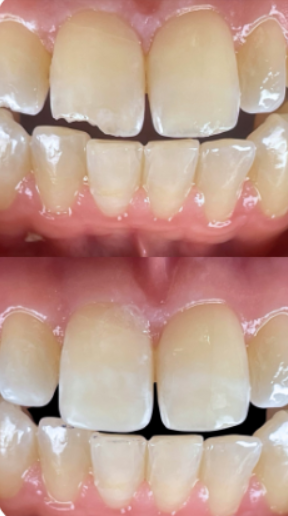 Beyond the physical appearance, the psychological impact is real. Patients who enter the clinic covering their mouth often leave feeling more confident to laugh and socialize. Thanks to modern materials and adhesive protocols, these results typically last for many years when care recommendations are followed.

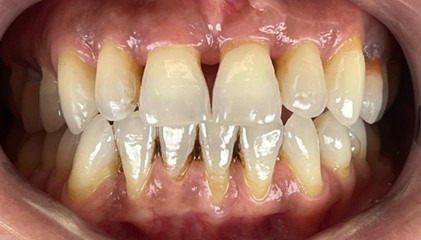










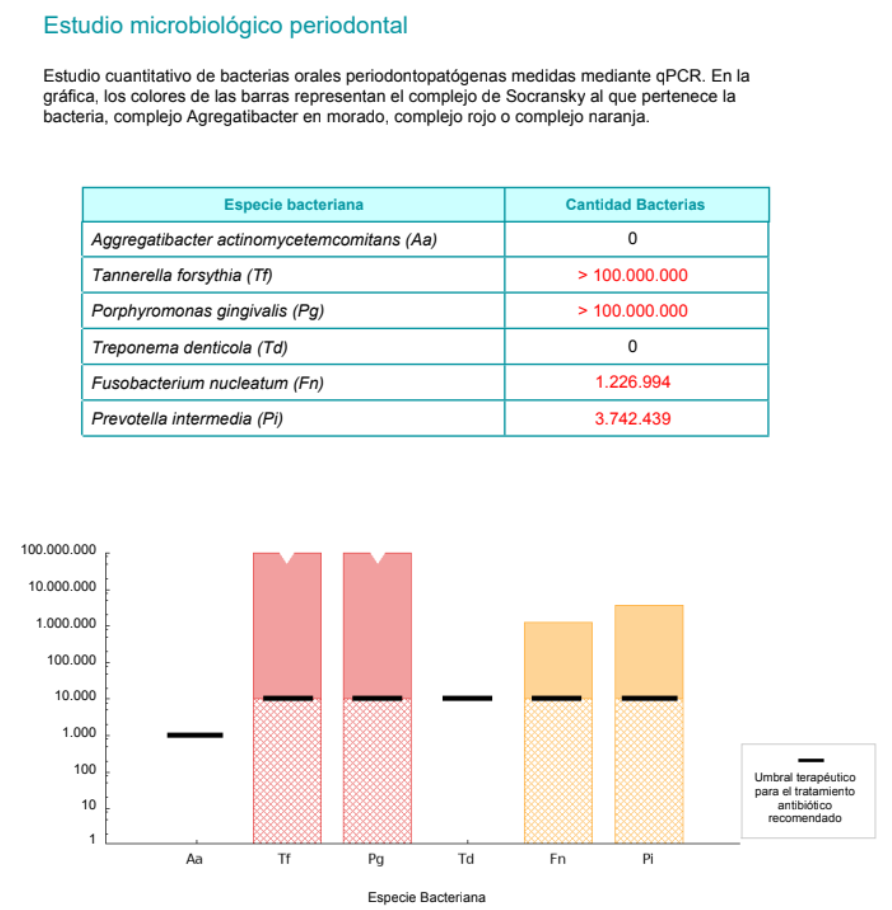 Periodontal Surgery


