Category

General

Consequences of Untreated Bruxism

By General

Bruxism is a disorder that affects approximately 30% of the adult population. This condition, characterized by the involuntary clenching and grinding of teeth, can have significant health consequences if not properly treated. If you are experiencing symptoms of bruxism, it is essential to seek professional help at a dental clinic in Madrid to prevent serious complications that could impact your long-term quality of life.

Destructive Effects on Dental Health

Dental wear represents one of the most evident and concerning consequences of bruxism. The constant friction between teeth can lead to the accelerated deterioration of dental enamel, exposing the more sensitive layers and causing issues with dental hypersensitivity. Teeth affected by bruxism often exhibit fractures, chipping, and a characteristic flattening of the chewing surfaces. These damages are progressive and may require complex restorative treatments such as crowns, veneers, or dental implants if not addressed promptly. The loss of dental structure can result in a bite alteration, creating a vicious cycle where alignment problems cause more tension in the jaw and, consequently, more bruxism.
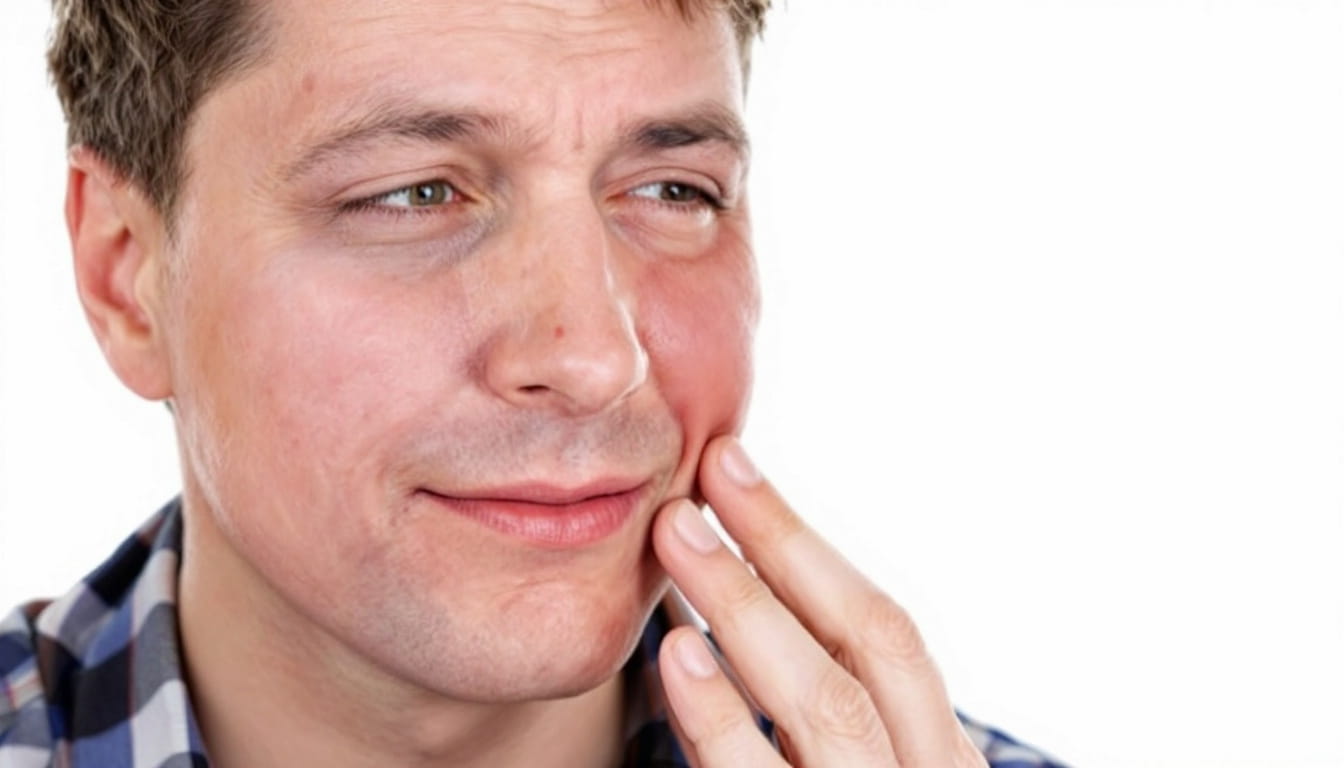
person showing teeth pain from bruxism

Temporomandibular Joint Disorders

The Temporomandibular Joint (TMJ) is directly impacted by the excessive pressure exerted during bruxism. This joint, essential for speaking, chewing, and making facial expressions, can develop chronic problems that significantly affect quality of life. Patients with TMJ disorders often experience a series of characteristic symptoms, including:

  • Intense pain when chewing or speaking
  • Limited mouth opening
  • Clicking or popping sounds when moving the jaw
  • Visible swelling on the sides of the face

Prolonged tension in the TMJ can lead to degenerative changes in the joint, resulting in chronic problems that require specialized treatment and, in some cases, surgical intervention.

Impact on the Muscular and Nervous System

Tension-type headaches and neck pain are common consequences of untreated bruxism. Muscle tension originates in the jaw but can extend to the neck, shoulders, and even the back, creating a chronic pain pattern that affects multiple areas of the body. The facial muscular system undergoes significant strain due to constant effort. The masseter muscles may hypertrophy, causing changes in facial appearance and increasing tension in surrounding structures. Muscle overload can lead to compression of nearby nerves, resulting in facial neuralgia and other neurological disorders that require specialized medical attention.

person sleeping with clenched teethSleep Disorders and Chronic Fatigue

The nocturnal bruxism significantly interferes with sleep architecture, causing micro-awakenings that prevent reaching the deepest and most restorative phases of the sleep cycle. This constant interruption can lead to a state of chronic fatigue and daytime sleepiness. Patients with nocturnal bruxism often experience a reduction in their ability to concentrate and perform during the day. The accumulated exhaustion can affect mood and increase stress levels, creating a cycle that exacerbates bruxism. The lack of adequate rest can have significant consequences on mental health, increasing the risk of developing anxiety disorders and depression. It is essential to address these issues comprehensively to break the bruxism cycle.

Treatment and Prevention of Complications

Early diagnosis and treatment are essential to prevent irreversible damage. A specialist can develop a personalized treatment plan that includes the use of occlusal splints, physical therapy, and stress management techniques. Relaxation techniques and sleep hygiene play a crucial role in managing bruxism. Establishing healthy bedtime routines and practicing relaxation exercises can help reduce the frequency and intensity of episodes. Regular follow-ups with professionals allow for monitoring treatment progress and making adjustments as needed. Early intervention can prevent serious complications and significantly improve the patient’s quality of life.

orthodontics for adults spain

Orthodontics for Adults

By General

One in three patients who have decided to improve the aesthetics of their smile through orthodontics for adults.

Regardless of age, orthodontic treatments are recommended for anyone with dental malocclusion problems or a lack of dental alignment. Sometimes adults visit the clinic who, for economic reasons, did not undergo orthodontic treatment during their adolescence, or individuals who have noticed their teeth shifting over time. For these reasons, older individuals opt for an aesthetic orthodontic treatment that enhances both the beauty and functionality of their smile.

Aesthetic orthodontics can correct any issue related to dental malocclusion: crowding, crossbite, open bite, overbite, diastemas, or rotated teeth. Additionally, orthodontics helps prevent future periodontal diseases, sometimes reduces and prevents bruxism, improves breathing capacity, and even enhances posture.

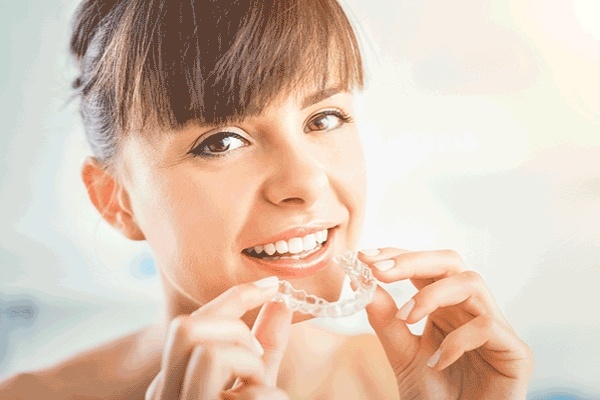
The aesthetic orthodontic treatment we most commonly use in our Madrid clinic is Invisalign, the invisible orthodontics. This is a comfortable, hygienic, and arguably the most aesthetic method, as it is based on a set of transparent aligners that are virtually imperceptible.

Orthodontic treatments for adults tend to last longer than those for adolescents because, with age, the jawbones stop growing, making dental movements more challenging. An orthodontic treatment for adults typically lasts between 18 months and two years.

Regardless of age, during an orthodontic treatment, there are certain precautions to keep in mind throughout the process:

  • Tips for eating: we should avoid eating foods that are too hard, particularly sticky, or fibrous.
    • Use special orthodontic wax to protect and heal sores caused by friction with the soft parts of the mouth.
    • With fixed orthodontics, we should complement tooth brushing with the use of interdental brushes and dental floss.
    • Properly use orthodontic retainers.
    • Attend the check-ups scheduled by the orthodontist.

White spots on the tongue

By General

Have you ever noticed white spots on your tongue when looking in the mirror? Don’t worry. White spots are not painful and usually don’t pose a serious problem. Plus, they are easy to treat.

I Have White Spots on My Tongue… What Should I Do?

The tongue is the strongest muscle in the body, but also the most overlooked. Essential for speaking, swallowing, and eating, our tongue is exposed to numerous risks and needs protection, even though we only think about it when we experience discomfort or notice something is wrong. Proper oral hygiene is often the best prevention for the appearance of bumps or white spots on the tongue.

Possible Tongue Conditions

Feeling the pasty tongue, with a strange taste and a whitish tone,
is very common. But it can also be a sign of something more concerning. The
usual cause, as we have mentioned, is poor hygiene or an unbalanced diet.
For one reason or another, there are many possible tongue-related diseases:

  • Mouth ulcers: Annoying and painful, their appearance is due to numerous causes such as a weakened immune system or a bite.
    • White tongue: Its appearance is associated with smoking, drinking alcohol, or the use of dental prostheses that damage the gums.
    • Candidiasis: Poor hygiene or the consumption of certain foods can weaken our defenses and allow the fungus called candida to spread and cause an infection.
    • Migratory glossitis: Also known as geographic tongue due to the patterns formed by the spots caused by tongue inflammation.
    • Tongue cancer: There are different types, the most common being squamous cell carcinoma. The appearance of ulcers that seem never to heal is one of the first symptoms. If white spots last more than 2 weeks, your doctor may decide to perform a biopsy.

Risk Factors

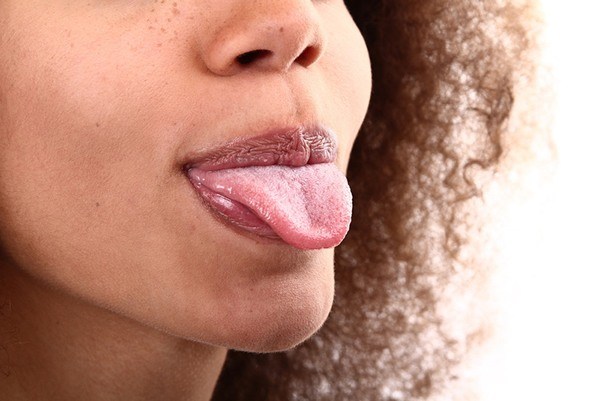
The color and texture of the tongue says a lot about our health. This muscle has thousands of nerve endings, all of which are associated with various parts of the body. A healthy tongue appears pinkish, smooth, and flexible. However, there are many factors that can contribute to potential health issues, such as white pigmentation on the tongue:

  • Poor hygiene
  • Alcohol or tobacco consumption
  • Lack of iron, vitamins A and B6, or niacin
  • A poorly fitted dental prosthesis

How to Treat White Spots on the Tongue

If you notice that the white pigmentation on your tongue persists, it is highly recommended to consult a specialist. The appropriate treatment will depend on each case, as while mild candidiasis may resolve on its own, other infections caused by fungi require the use of specific mouthwashes or other medications, which should always be administered under medical prescription.

Natural Remedies to Combat White Spots

We can combat white spots by following some tips and natural remedies:

  • Improve oral hygiene: brush your tongue when you brush your teeth.
  • Increase your intake of raw vegetables and fruits.
  • Consume natural, unsweetened yogurts and foods with bifidus.
  • A teaspoon of baking soda in lemon juice helps cleanse the body and boosts the immune system.

Dental implants without surgery

By General

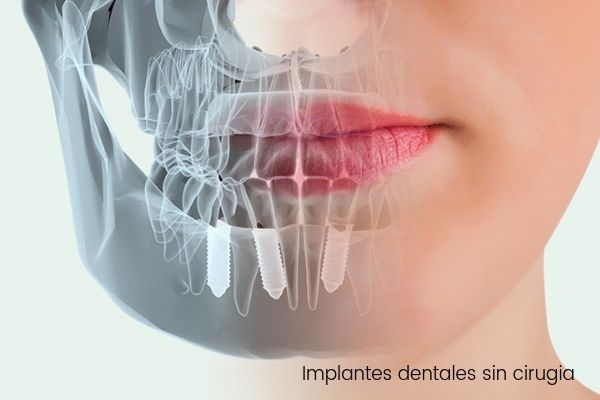
Performing dental implants without surgery is now possible! Advanced technology has put an end to the fears many patients faced when they needed an implant. Thanks to the latest medical techniques, there’s no longer a need for gum incisions or complex operations to restore your smile. The digitization of the process allows for the placement of dental implants without surgery. This type of procedure offers numerous advantages for the patient, as the absence of invasive surgery makes recovery much shorter and less uncomfortable. Many patients also highlight the peace of mind they feel during the procedure, as a prior digital simulation of the operation ensures that the chances of success are practically guaranteed.

A dental implant procedure without surgery comes with multiple benefits

When we face a surgical procedure, no matter how small it may be, our fears grow. Pain or discomfort, recovery, and the possible effects after the operation are very common concerns. However, when invasive surgery is not necessary, there are numerous benefits for the patient, both for their health and for their peace of mind and comfort:

  • Precise, safe, and predictable surgery.
  • Reduced recovery time.
  • Less discomfort after the operation.
  • Shorter healing time, as no cuts in the gums or stitches are needed.

How to place an implant without surgery?

Dental implants performed without invasive surgery allow surgeons to carry out a virtual operation before putting it into practice on the patient. This is one of the main advancements for dentists, as it simplifies the procedure and ensures the successful placement of dental implants, as we do in our dental clinic in Madrid. From the very first consultation, the use of 3D technology enables a simulation of the procedure, allowing experts to design a guide that shows the ideal placement of the implants—specifically, how and where they should be positioned.

In subsequent appointments, and after obtaining the patient’s personalized guide, the implant is placed using the flapless technique. For this, only a micro-opening of the gum is required, without the need for a conventional scalpel or sutures. This results in less bleeding and an almost imperceptible postoperative recovery, with minimal swelling or discomfort. The limitations for applying this technique are minimal, and its effectiveness is virtually guaranteed thanks to the use of a digital model that adds precision, speed, and predictability to the process.

5 Celebrities Who Use Dental Veneers

By General

White, perfectly aligned, and with a harmonious shape: it’s the smile we all wish to show off. Thanks to advancements in dental aesthetics and treatments like dental veneers, achieving that star-worthy smile is now within everyone’s reach, not just celebrities.

The dental veneers are thin shells placed over the teeth to improve their shape, size, and color. Celebrities like Patricia Conde, Cristiano Ronaldo, and David Bustamante have completely transformed their smiles with this treatment, achieving spectacular results from the very first session.

The microveneers are the latest in smile design treatments. Unlike traditional veneers, microveneers are even thinner and require minimal or no reduction of the natural tooth, making them less invasive. This advancement allows for an extremely natural improvement in the shape and color of the teeth without compromising their original structure.

If you browse the Internet and search for photos of celebrities with dental veneers,
you’ll see that many have undergone this procedure. Among the most talked-about cases is that of Patricia Conde, who previously had a diastema (gap between teeth) and now flaunts a uniform and radiant smile, thanks to porcelain veneers.

The change in the teeth of celebrities like Cristiano Ronaldo is also very noticeable. The footballer has undergone several treatments, including orthodontics, whitening, and, of course, dental veneers.

If you compare his before-and-after photos, you’ll notice how his smile has transformed spectacularly. The same goes for celebrities like David Bustamante, whose veneers have evolved to look more natural and flattering over time.

This is a very common treatment among celebrities in the world of film and television, and actresses like Raquel Meroño also showcase renewed smiles thanks to veneers.

Dental veneers are not just for movie or TV stars,
anyone can benefit from this treatment.

What are dental veneers for?

Dental veneers are a quick and effective solution to improve the
aesthetics of your smile. They allow you to correct aspects such as the shape, color, and
alignment of your teeth, resulting in a much more harmonious smile.

Some of the issues that can be corrected with veneers include:

  • Fractures or damage to teeth, especially the front ones.
  • Gaps between teeth, such as diastemas, visible in cases like Patricia Conde’s.
  • Irregular size or shape of teeth, achieving a more uniform and symmetrical smile design.
  • Discoloration or stains, whether due to age, smoking, or coffee.

If you dream of a movie-star smile, dental veneers might be the ideal solution. Celebrities like the ones we’ve mentioned in this article have already experienced their benefits, and you can too.

Veneers not only enhance aesthetics but also boost confidence, allowing you to show off a perfect smile on any occasion. Come to our dental clinic in Spain to start your treatment.

Young patients and the elderly are the ones who visit the dentist the least

By General

Have you never prioritized going to the dentist? Do you prefer to endure the agony of a toothache rather than set foot in the clinic? Many people do not consider oral hygiene as an essential part of body care and would rather endure discomfort than schedule an appointment with the dentist. Most of these individuals belong to the two groups that visit the dentist the least: young people and the elderly.

The reasons? They are many and varied, although generally, it is due to:

  • lack of habit or neglect
  • fear of pain during dental treatment
  • panic over needles or aversion to sounds
  • limited mobility
  • difficulty maintaining the posture of keeping the mouth open for a long time

Childhood and adolescence: key stages for strong oral health

Although visiting the dentist should be a regular practice at all ages, the truth is that it becomes even more important during periods of hormonal change. During the transition from childhood to adolescence, throughout adolescence, and in old age, our bodies undergo numerous changes that can affect our teeth. Teeth increase their strength during youth, up until the wisdom teeth emerge. These teeth can cause crowding of other teeth if there isn’t enough space in the mouth to accommodate them. Additionally, due to their position at the very back of the mouth, they are harder to brush, making them vulnerable to cavities and other issues.

Frequent visits to the dentist from childhood can even prevent improper eruption of wisdom teeth and their potential consequences, as well as avoid the uncomfortable pain they sometimes cause. However, visiting the dentist from a young age not only helps us prepare for wisdom teeth. Instilling good oral hygiene habits in children will help them prevent more serious complications and other diseases, such as gingivitis or periodontal problems.

Only 26% of Elderly People Visit the Dentist

The vast majority of older adults visit the dentist only when they experience significant cases of periodontal disease, unbearable pain, or discomfort caused by dental prosthetics. Moreover, despite being the group most prone to oral health issues, only 26% visit the dentist once every six months. Additionally, as the years go by, the quality of enamel, bones, gums, and the mouth in general can also deteriorate. This is why, during adulthood and old age, more complications arise, including tooth loss. Visiting the dentist is not a matter of age but of health. If both young and older individuals maintain a proper oral hygiene routine and visit the dentist regularly, they can keep their smile healthy for a longer time.

Mouthwashes: A Complete Guide to Their Benefits, Proper Use, and How to Choose the Right One for You

By General

Mouthwashes, also known as oral rinses, are an important tool to complement oral hygiene. Learn when to use them and how to choose the best mouthwash based on your specific needs to improve your oral health.

Benefits

Mouthwashes play a vital role in a complete oral hygiene regimen. Their function is to complement the daily practice of brushing and flossing, offering a variety of benefits that go beyond simply freshening breath. These mouthwashes are formulated to fight bacteria, protect against tooth decay, and improve overall gum health. By rinsing with a mouthwash, you can reach areas of the mouth that may be difficult to access with a toothbrush or dental floss, making it a valuable addition to your daily oral care routine.

One of the main benefits of mouthwashes is their ability to combat the bacteria that can cause cavities and gum diseases. This is especially important for people who may be more prone to these oral health issues, such as those with a history of dental cavities or periodontal problems. Mouthwashes can reduce the bacterial load in the mouth, contributing to a healthier oral environment and a lower risk of developing these common dental problems.

Another significant benefit of using mouthwashes is their ability to freshen breath. Many mouthwashes contain ingredients specifically designed to mask odors and leave the mouth clean and fresh. For individuals concerned about bad breath, incorporating a mouthwash into their oral care routine can provide an additional layer of confidence throughout the day.

Additionally, certain mouthwashes are formulated with fluoride, which can help strengthen tooth enamel and prevent plaque formation. This is especially beneficial for individuals who may have a higher susceptibility to dental cavities and are looking to enhance their oral health. By incorporating a fluoride mouthwash into their daily routine, they can provide their teeth with an extra layer of protection against acid attacks and bacterial damage.

Fights the Bacteria That Cause Cavities and Gum Disease

Mouthwashes are specially formulated to combat the bacteria in the mouth that can lead to dental cavities and gum disease. By rinsing with a mouthwash after brushing and flossing, individuals can target these harmful bacteria, contributing to a healthier oral environment and reducing the risk of developing these common dental issues.

In addition to their properties for fighting bacteria, mouthwashes are also effective in protecting against the buildup of plaque and tartar, which can contribute to gum disease and other oral health problems. By incorporating a mouthwash into their oral care routine, individuals can take steps to maintain the health of their teeth and gums.

Freshens Breath

Mouthwashes are known for their ability to freshen breath and leave the mouth feeling clean and revitalized. This is especially beneficial for people who want to maintain fresh breath throughout the day, as a quick rinse with a mouthwash can provide an effective way to combat bad breath and leave a pleasant minty freshness.

By removing food particles and combating bacteria that can contribute to bad breath, mouthwashes offer a convenient and quick solution for individuals looking to enhance their oral hygiene routine and maintain confidence in the freshness of their breath.

Strengthens Tooth Enamel

Mouthwashes containing fluoride play a crucial role in strengthening tooth enamel, thereby helping to reduce the risk of dental cavities and acid erosion. Fluoride is well-known for its ability to protect teeth against demineralization caused by acids, making it an essential component in the fight against cavities and in preserving dental health.

By incorporating a fluoride mouthwash into their daily oral care routine, individuals can take advantage of the protective benefits of this mineral, thereby strengthening their teeth and promoting overall oral health.

When to Use It

To achieve optimal results, mouthwashes should be used as a complement, not a substitute, for regular brushing and flossing. Incorporating a mouthwash into your daily oral hygiene routine can provide additional protection against oral health issues and contribute to a comprehensive approach to maintaining a healthy mouth.

After brushing and flossing, rinsing with a mouthwash can help remove food particles, reduce the bacterial load in the mouth, and promote a feeling of cleanliness and freshness. This makes it an excellent way to conclude a complete oral care routine, providing an extra layer of protection and enhancing overall oral hygiene.

It is important to note, however, that mouthwashes are not a replacement for mechanical methods of plaque removal, such as brushing and flossing. While they offer valuable benefits, they are most effective when used in conjunction with a solid daily oral care routine that includes both brushing and flossing.

After Brushing and Flossing

The most opportune time to use a mouthwash is after brushing and flossing, as this allows the active ingredients in the mouthwash to reach all areas of the mouth that have been thoroughly cleaned. By incorporating a mouthwash at this stage of the oral care routine, individuals can maximize its effectiveness and ensure they are addressing any residual oral hygiene concerns.

Additionally, using a mouthwash at this stage can help remove any food residues, reduce the presence of bacteria, and provide a refreshing conclusion to the oral care routine. This can be especially beneficial for individuals who wish to maintain a feeling of cleanliness and revitalization in their mouth throughout the day.

Contraindications and Precautions

Although mouthwashes offer a variety of benefits for oral health, there are certain contraindications and precautions to consider. Some mouthwashes contain ingredients, such as alcohol, that may not be suitable for individuals with certain oral conditions or sensitivities. It is important to carefully read the label and, in case of doubt, consult with a dental professional to determine the most appropriate mouthwash for individual needs.

Moreover, people should keep in mind that while mouthwashes can contribute to fresher breath and better oral hygiene, they are not a standalone solution for addressing underlying oral health issues. Regular dental check-ups, professional cleanings, and a consistent routine of brushing and flossing are essential for long-term oral health, and mouthwashes should be viewed as a complementary component of a comprehensive oral care plan.

Types

Mouthwashes are available in a variety of formulations, each tailored to address specific oral health needs and concerns. Understanding the different types of mouthwashes can help individuals make informed decisions about which product best suits their particular needs, thereby maximizing the benefits they can gain by incorporating a mouthwash into their daily routine.

With Fluoride

Mouthwashes enriched with fluoride offer the benefit of strengthening tooth enamel, thereby helping to prevent tooth decay and cavities. This type of mouthwash is especially recommended for individuals who may be at a higher risk of dental caries, as well as for those looking to enhance the overall resistance of their teeth against acid attacks and bacterial damage.

In addition to their protective properties, fluoride mouthwashes can also help limit plaque formation, making them a valuable addition to the oral care routine of individuals aiming to maintain optimal dental health.

Medically Prescribed

There are also specialized mouthwashes that are prescribed or recommended by dental professionals to address specific oral health issues. These may include mouthwashes designed to combat gum disease, reduce oral inflammation, or manage specific conditions such as dry mouth. Individuals who have been advised to use a medically prescribed mouthwash should follow their dental provider’s recommendations to ensure they are effectively addressing their oral health needs.

How to Choose the Best One

When selecting the most suitable mouthwash for individual needs, there are several factors to consider. Understanding the specific oral health issues or goals a person seeks to address can help guide the selection process, ensuring that the chosen mouthwash aligns with their unique requirements and preferences.

Conclusion

In conclusion, mouthwashes are an excellent complement to oral hygiene routines and provide numerous benefits such as fighting bacteria, refreshing breath, and strengthening tooth enamel. It is important to use them after brushing and not to consider them as a replacement for brushing; they should be used as directed by a dental professional. With proper knowledge and correct use, mouthwashes can significantly improve overall oral health.

Does periodontitis spread?

By General

What is pyorrhea?

Pyorrhea, also known as periodontitis, is an oral disease that affects the gums and the bone supporting the teeth. It occurs due to the accumulation of bacteria in dental plaque and tartar, causing inflammation, bleeding, and in advanced cases, tooth loss. Although it can progress silently, early detection is essential to prevent serious complications in oral health.

Is pyorrhea contagious?

Pyorrhea can be transmitted through saliva, for example, through kissing.

However, there is no need to worry or stop kissing your partner, friends, or family. For transmission to occur, the recipient must have a very low immune response or be undergoing periodontal treatment. Additionally, prolonged contact is required, so the disease will never be transmitted by occasional kisses.

It is not necessary to change the way we interact with someone who has periodontal disease, although regular visits to the periodontist and strict oral hygiene habits are recommended, as these reduce the risk of transmission and disease progression.

How can I tell if I have contracted pyorrhea?

There are several symptoms that may indicate the onset of this disease:

  • Bleeding gums while brushing or eating
  • Noticeable redness of the gums
  • Swelling of the gums
  • Persistent bad breath
  • Gum recession, leaving teeth more exposed
  • Tooth and gum hypersensitivity
  • Loose teeth due to weakened support

If any of these symptoms appear, it is highly recommended to see a periodontics specialist as soon as possible. The professional will perform a dental examination and determine if periodontal treatment, such as dental scaling, is necessary.

Dental scaling is a deep cleaning that reaches the periodontal pockets, where bacteria and tartar accumulate and compromise the stability of molars and teeth.

Natural treatment to prevent pyorrhea

Although people living for years with someone affected by periodontitis have a 20–30% higher risk of developing the disease, very effective preventive measures exist:

  • Eliminate or reduce tobacco and alcohol consumption
  • Improve diet by increasing intake of vitamin C-rich fruits and natural probiotics
  • Reduce stress
  • Maintain strict oral hygiene: brush daily after each meal, use dental floss, and rinse with products specifically designed to strengthen the gums

Adopting these habits is crucial to slow the progression of the disease and protect oral health. Remember that prevention and constant care are more effective than any extreme or temporary measures.

How to prevent pyorrhea?

To prevent periodontitis, it is essential to combine good hygiene habits with regular check-ups:

  • Visit the dentist or periodontist at least once a year for professional exams and cleanings
  • Brush teeth correctly after each meal, using an appropriate toothbrush and fluoride toothpaste
  • Use dental floss and mouthwashes specifically designed to remove food particles and bacteria
  • Maintain a balanced diet rich in vitamins and minerals that strengthen gums and teeth
  • Avoid tobacco and moderate alcohol consumption
  • Manage stress, as it can affect oral health

Prevention is the most effective tool to keep gums and teeth healthy and reduce the risk of contagion or development of pyorrhea.

Advantages of Zirconia Crowns

By General

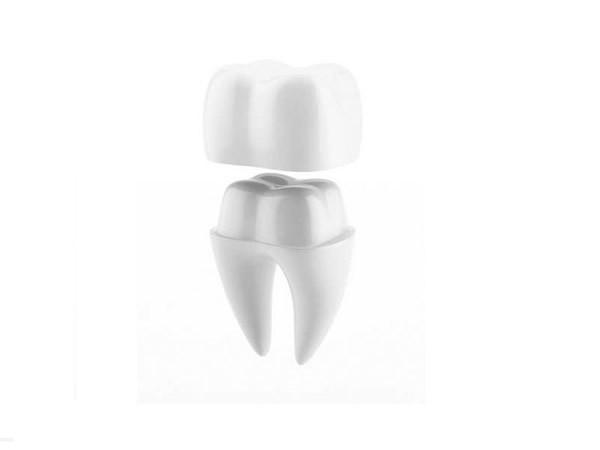
Zirconium is an exceptional ceramic material that is increasingly in demand for oral rehabilitation treatments, such as veneers. One of the main advantages of zirconium crowns is that they are much stronger than those made of porcelain, in addition to ensuring the stability of metal-ceramic-based prostheses, all while offering a more natural appearance. Aesthetics prevail, and over time, with technological advancements, patients can choose between porcelain veneers if they are only seeking an aesthetic result, or metal-based ones to ensure greater durability. However, the use of new materials like zirconium introduces a new option, allowing patients to choose a treatment that combines the benefits of the previous options: achieving a beautiful smile with the assurance of long-term stability.

Contribution of zirconium to aesthetics.

Talking about aesthetics in a dental implant means talking about zirconium. Being completely metal-free, this ceramic material is the pinnacle of aesthetics and efficiency. Zirconium is almost as translucent as a natural tooth, something that does not happen with porcelain. It also avoids the dark edges between the teeth and gums that conventional metal prosthetics produce. Additionally, as another strong point of zirconium, all pieces are customized in size, shape, and shade, as not everyone has the same shade of white teeth. The CAD-CAM technology used to create each zirconium piece allows for adjustments down to the smallest detail, ensuring the most natural look for your smile.

Benefits of zirconium oxide.

As we have seen so far, zirconium combines the best of both worlds: the strength of metal and the aesthetic properties of ceramics. Moreover, zirconium oxide, also known as high-strength ceramic, is the best recommendation when there is a significant absence of dental structure, with risks of flexion and tension, and where bonding and sealing cannot be maintained. The benefits of zirconium oxide are such that this material is also used in orthopedic implants, especially in hip replacements, due to its high strength and hardness. Its ability to be polished to a fine finish is another advantage for this type of intervention. Zirconium has also brought advancements in other fields; we find the use of this material in refractory applications, electronics, transportation, and in materials such as valves, sealants, metal utensils, and cutting tools.

Which Option to Choose: Zirconia Crowns or Metal-Porcelain Crowns?

Many patients are skeptical when a specialist recommends zirconia veneers. The truth is that there is still a lot of public ignorance about this material, which in some cases also leads to fears that their body might not react well to it, causing rejection, discomfort, and illnesses. Nothing could be further from the truth. The most notable feature of zirconia is that it offers maximum bio-compatibility, which reduces the risk of gum irritation and ensures the avoidance of allergies caused by other metals that have been used until now in implants, crowns, and bridges.

Like porcelain pieces, zirconia veneers are exceptionally lightweight. However, they surpass pure porcelain in strength. The issue with molars after a root canal, for example, is that they become more brittle. The function of the crown is to maintain the consistency of the tooth and allow proper chewing without risks or problems. In this case, zirconia’s strength is greater than that of porcelain, providing better results and efficacy, especially for molars. So far, the new material wins in the zirconia versus porcelain or metal debate. Lighter, stronger, and bio-compatible, zirconia veneers are the best option for achieving a beautiful, natural, and strong smile.

The only drawback is the price of zirconia dental crowns, which is slightly higher than other materials. But as with many other medical-aesthetic procedures, in this case, the price is justified by better results and longer-lasting treatment. Without a doubt, one of the most important advances in dentistry in recent decades has been the implementation of zirconia, one of the best ceramic products currently available for dental reconstructions.

Having a beautiful smile goes beyond practical concerns. A white, perfectly aligned set of teeth of the ideal size is part of aesthetic treatments. Gone are the days of gold inlays, now almost unthinkable. Patients desire greater naturalness compared to traditional prosthetics, and in this regard, zirconia crowns offer significant advantages. Visit our dental clinic in Spain to start your treatment!

Benefits of Dental Fluoride in Oral Health

By General

The application of dental fluoride can be very beneficial for our teeth. It protects their enamel, the protective barrier they have against attacks from bacterial plaque, thereby minimizing the occurrence of cavities.

What benefits does fluoride provide to our teeth?

Thanks to oral fluoride, the tooth can remineralize quickly and easily, significantly improving its strength and resistance. It is an antibacterial agent that helps enhance the hygiene of our teeth. However, despite the benefits fluoride provides, we must always apply it judiciously, in small amounts, and as part of the fluoridated products we commonly use in our oral hygiene routine, such as toothpaste, gels, and, of course, mouthwash.

Fluoride is in water and food

Fluoride is an element that can be found in certain foods and in water. As early as the 1930s, it was proven that those who drank naturally fluoridated water had fewer cavities. Thus, the use of fluoride in water supplies has been recommended. Research highlights that it is a component that acts against cavities by strengthening enamel. Additionally, certain studies claim that the recurrent application of fluoride during the developmental stage of teeth reduces the risk of dental diseases from an early age, such as cavities.

The dentist knows the appropriate dosage for an adult or a child, taking into account each person’s needs according to their risk of oral cavities. It has been proven that the ingestion of a certain amount of fluoride, especially when it is progressively introduced from childhood, provides significant protection to both baby teeth and permanent teeth against cavities, without having any harmful effects on the appearance of the teeth or the periodontium.

Call Now Button