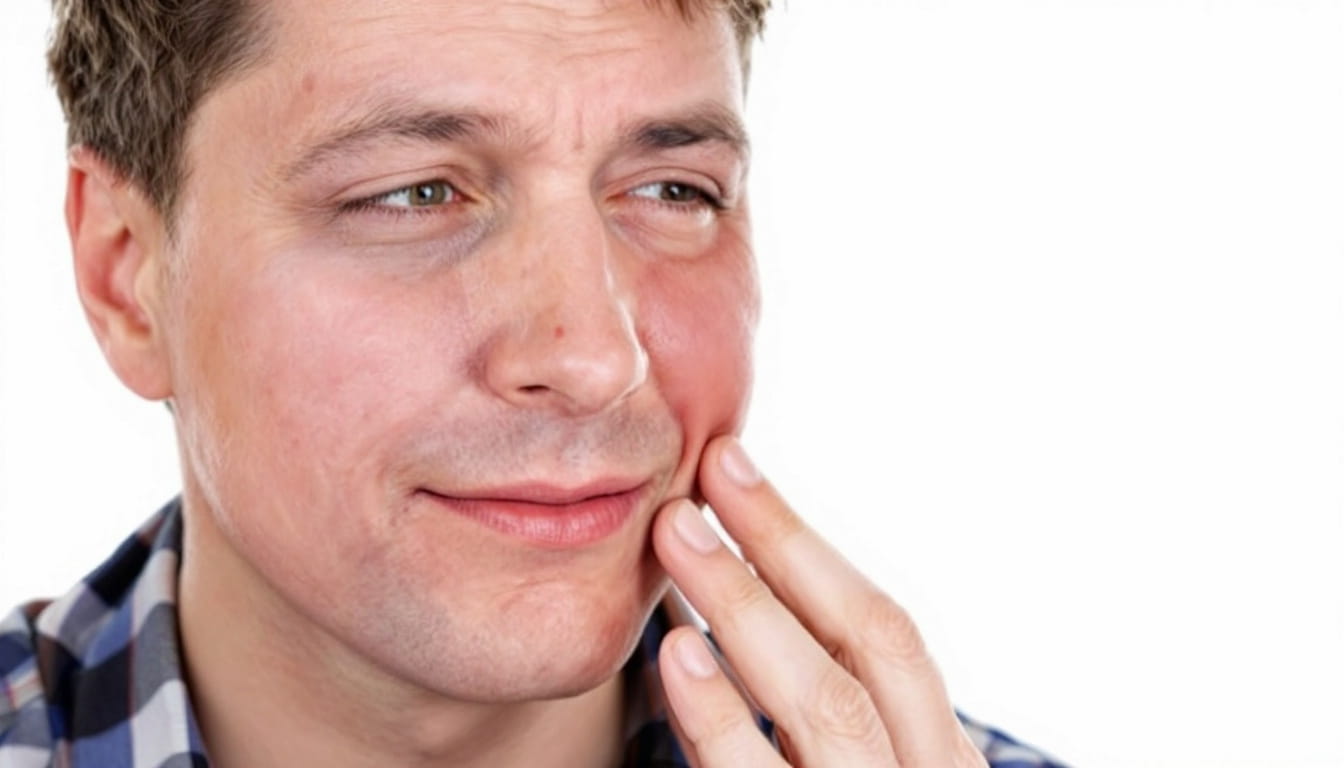
Bruxism is a disorder that affects approximately 30% of the adult population. This condition, characterized by the involuntary clenching and grinding of teeth, can have significant health consequences if not properly treated. If you are experiencing symptoms of bruxism, it is essential to seek professional help at a dental clinic in Madrid to prevent serious complications that could impact your long-term quality of life.
Destructive Effects on Dental Health
Dental wear represents one of the most evident and concerning consequences of bruxism. The constant friction between teeth can lead to the accelerated deterioration of dental enamel, exposing the more sensitive layers and causing issues with dental hypersensitivity. Teeth affected by bruxism often exhibit fractures, chipping, and a characteristic flattening of the chewing surfaces. These damages are progressive and may require complex restorative treatments such as crowns, veneers, or dental implants if not addressed promptly. The loss of dental structure can result in a bite alteration, creating a vicious cycle where alignment problems cause more tension in the jaw and, consequently, more bruxism.

Temporomandibular Joint Disorders
The Temporomandibular Joint (TMJ) is directly impacted by the excessive pressure exerted during bruxism. This joint, essential for speaking, chewing, and making facial expressions, can develop chronic problems that significantly affect quality of life. Patients with TMJ disorders often experience a series of characteristic symptoms, including:
- Intense pain when chewing or speaking
- Limited mouth opening
- Clicking or popping sounds when moving the jaw
- Visible swelling on the sides of the face
Prolonged tension in the TMJ can lead to degenerative changes in the joint, resulting in chronic problems that require specialized treatment and, in some cases, surgical intervention.
Impact on the Muscular and Nervous System
Tension-type headaches and neck pain are common consequences of untreated bruxism. Muscle tension originates in the jaw but can extend to the neck, shoulders, and even the back, creating a chronic pain pattern that affects multiple areas of the body. The facial muscular system undergoes significant strain due to constant effort. The masseter muscles may hypertrophy, causing changes in facial appearance and increasing tension in surrounding structures. Muscle overload can lead to compression of nearby nerves, resulting in facial neuralgia and other neurological disorders that require specialized medical attention.
 Sleep Disorders and Chronic Fatigue
 Sleep Disorders and Chronic Fatigue
The nocturnal bruxism significantly interferes with sleep architecture, causing micro-awakenings that prevent reaching the deepest and most restorative phases of the sleep cycle. This constant interruption can lead to a state of chronic fatigue and daytime sleepiness. Patients with nocturnal bruxism often experience a reduction in their ability to concentrate and perform during the day. The accumulated exhaustion can affect mood and increase stress levels, creating a cycle that exacerbates bruxism. The lack of adequate rest can have significant consequences on mental health, increasing the risk of developing anxiety disorders and depression. It is essential to address these issues comprehensively to break the bruxism cycle.
Treatment and Prevention of Complications
Early diagnosis and treatment are essential to prevent irreversible damage. A specialist can develop a personalized treatment plan that includes the use of occlusal splints, physical therapy, and stress management techniques. Relaxation techniques and sleep hygiene play a crucial role in managing bruxism. Establishing healthy bedtime routines and practicing relaxation exercises can help reduce the frequency and intensity of episodes. Regular follow-ups with professionals allow for monitoring treatment progress and making adjustments as needed. Early intervention can prevent serious complications and significantly improve the patient’s quality of life.

Professional registration Nº 28004040
Degree in Medicine and Surgery, Autonomous University of Madrid
Degree in Dentistry, Complutense University of Madrid
Master’s Degree in Aesthetic Dentistry, Complutense University of Madrid
University Specialist in Pediatric Dentistry, San Rafael Hospital, Madrid
University Specialist in Individual and Public Oral Preventive Programs, Complutense University of Madrid
Director of Radiodiagnostic Facilities
Medical Director, Smiling Dental Center
Specialist in Aesthetic Dentistry, Dr. Bruce Crispin, Los Angeles, California
Member of the Spanish Society of Prosthodontics (SEPES)
CPR Course
Advanced English