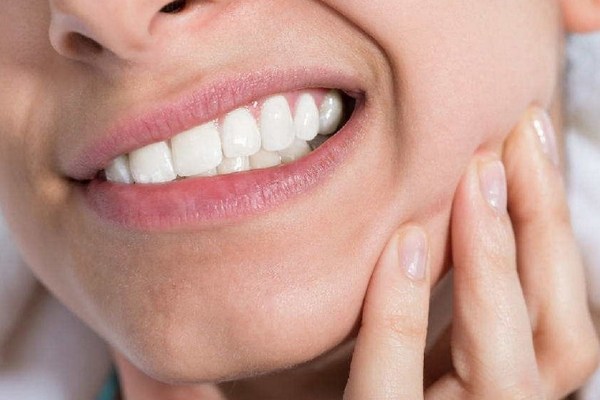
Although it is not very well known, an apicoectomy is very useful when other dental treatments have failed. Perhaps a few months ago you underwent a root canal treatment. If everything went well, you should no longer feel any pain, as removing the root of the tooth eliminates sensitivity. If this is not the case, the definitive solution for your well-being and health is an apicoectomy. This is a simple surgical procedure that involves:
- removing the apex of the tooth or the tip of the root
- eliminating all the infection that is causing you pain
- properly cleaning and sealing the canals, that is, the space previously occupied by the tooth root.
When is it indicated?
As we mentioned earlier, an apicoectomy is performed when there is an infection in an area where a previous root canal treatment or endodontic procedure has been done. The best course of action is to repeat the root canal treatment to preserve the natural tooth. This is the main reason why an apicoectomy is considered the last resort. Your dentist will determine if you need an apicoectomy after studying your case and analyzing the situation with X-rays. An apicoectomy will be recommended when:
- the tooth’s canals are very narrow and difficult to access.
- a second root canal treatment is not feasible.
- the tooth is fractured.
- there are cysts around the tooth.
The procedure is painless, as local anesthesia is used, and the patient does not feel anything. Regarding effectiveness, over 80% of apicoectomies are successful, allowing the natural tooth to be preserved for a long time.
What care should I take after the procedure?
An apicoectomy is a surgical procedure and, as such, will require a few days of care.
The area will be swollen due to the intervention. Your dentist will prescribe you
some painkillers to reduce the swelling and discomfort it may cause.
It is also recommended to apply ice to the affected area during the first 12 hours
after the procedure. Avoid brushing the treated area when cleaning your mouth.
Instead, you can use mouth rinses to keep bacteria at bay until you can resume your usual
oral hygiene habits. Smoking delays healing, so avoid smoking.
The stitches will dissolve during the first week after the surgery. The pain and discomfort
will subside by the second week. Despite being a surgical procedure, most patients find
the recovery to be quick and fairly easy.

Professional registration Nº 28004040
Degree in Medicine and Surgery, Autonomous University of Madrid
Degree in Dentistry, Complutense University of Madrid
Master’s Degree in Aesthetic Dentistry, Complutense University of Madrid
University Specialist in Pediatric Dentistry, San Rafael Hospital, Madrid
University Specialist in Individual and Public Oral Preventive Programs, Complutense University of Madrid
Director of Radiodiagnostic Facilities
Medical Director, Smiling Dental Center
Specialist in Aesthetic Dentistry, Dr. Bruce Crispin, Los Angeles, California
Member of the Spanish Society of Prosthodontics (SEPES)
CPR Course
Advanced English