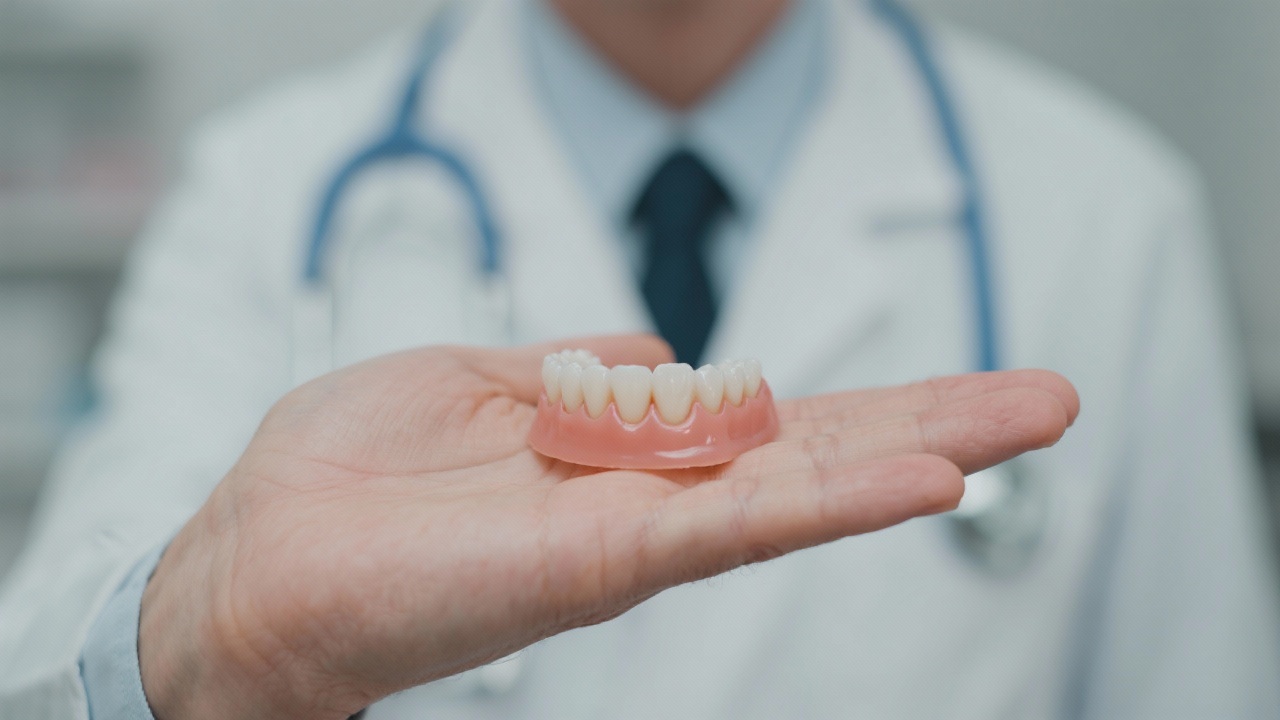
The placement of a dental prosthesis represents, for many people, a noticeable improvement in their quality of life: it restores chewing function, allows them to speak with confidence, and smile again without embarrassment. However, when a dental prosthesis is not properly fitted it can cause undesirable consequences, both locally in the mouth and systemically. If you have ever felt discomfort, insecurity, or problems with your prosthesis, this article will help you identify what is happening, why it happens, and what options you have to resolve it.
Problems with Fixed Dental Prostheses
Fixed dental prostheses, whether supported by implants or by natural teeth, usually deliver very satisfactory results. Nevertheless, when there is a poor fit, complications can arise that affect function, aesthetics and oral health. Below we explain the most frequent problems and how they manifest.
Imperfect Fit and Pressure Areas
One of the first signs is the feeling that the prosthesis “doesn’t fit well.” An imperfect fit creates pressure points that, over time, produce ulcers, localized pain and difficulty maintaining proper hygiene. These rubbing areas can become inflamed and develop into chronic wounds if they are not corrected in time.
Leakage, Decay and Problems in Abutment Teeth
If the prosthesis is not sealed correctly, food and bacteria can infiltrate between the prosthesis and the underlying tooth or tissue. This promotes the appearance of caries in the abutment teeth and the accumulation of plaque in hard-to-reach areas, which worsens overall oral health.
Difficulty Chewing and Nutritional Consequences
When the distribution of chewing load is not even, the patient may feel pain while chewing or avoid certain foods due to discomfort. This not only limits the diet but can affect digestion and lead to nutritional deficiencies if important food groups are eliminated.
Compromised Aesthetics and Prosthesis Movement
A poorly adapted prosthesis can be noticed when speaking or smiling: unexpected movements, shifts in position, or an unnatural appearance. This displacement causes social insecurity and worsens quality of life by conditioning the patient’s behaviour at gatherings or when meeting new people.
What to Do If a Dental Prosthesis Doesn’t Fit Well
Finding a trusted professional is the first step. Although there are many resources online today, every mouth is different and needs an individualized examination. A dental prosthetics specialist can examine how the prosthesis fits, whether there are excessive pressure areas, the condition of adjacent teeth, and whether the soft tissues show signs of irritation or inflammation. This initial check is essential to define the appropriate treatment and avoid long-term complications.
In many cases, simple adjustments in the clinic or at the dental laboratory are enough. These may include smoothing small areas that generate pressure, filling gaps, or modifying the occlusion so the prosthesis adapts better to the mouth. These tweaks usually greatly improve comfort and function without the need to fabricate a new prosthesis, which also reduces cost and waiting time.
However, if the prosthesis is many years old, shows wear, or the patient has experienced anatomical changes in the mouth, it may be advisable to renew or replace it completely. Advances in materials and current techniques allow much more precise adjustments, greater durability and better aesthetic results, adapting the prosthesis to the mouth’s current shape and function.
Regular check-ups and scheduled maintenance are key to long-term success. During these visits, the professional can detect early problems before significant discomfort appears. Proper maintenance also helps extend the prosthesis’s lifespan and avoid more serious complications, such as soft tissue injuries or premature wear of natural teeth.
It is also important to know when to seek urgent care. Situations such as acute pain, progressive swelling, bleeding that does not stop, loss of teeth or significant prosthesis mobility require immediate attention. Not waiting when these symptoms occur can prevent greater damage and ensure the prosthesis continues to function safely and comfortably.

Why Does a Dental Prosthesis Fit Poorly?
The causes of a poor fit are varied. Among the most common are inaccurate impressions, laboratory errors, natural wear of the prosthesis, changes in bone structure after extractions or periodontal disease, and poor hygiene. Lack of regular check-ups and prolonged use without maintenance also contribute. Identifying the cause is key to applying the appropriate solution.
Factors That Promote Poor Fit
- Dental impressions taken incorrectly or with unsuitable materials.
- Communication errors between the clinician and the laboratory.
- Changes in the mouth following bone loss or gingival remodelling.
- Wear from years of use or habits such as bruxism.
- Poor hygiene that promotes inflammation and alters the fit.
Can These Problems Be Prevented?
Yes—many of these complications are preventable with good practices from the start: choose a qualified professional, keep regular check-ups, maintain good hygiene and address any early discomfort. Below is a practical list to reduce risks.
Prosthesis Check-ups
Dental prostheses require periodic control to ensure they remain in good condition and to safeguard oral health. It is recommended to have a check-up every six months, since over time the shape of the gum and bone can change, which affects prosthesis fit.
During these visits, we check the fit, stability and wear of the prosthesis, as well as assess the condition of the gums and any natural teeth. This allows us to prevent discomfort, infections or chewing problems, ensuring longer prosthesis life and a better quality of life for the patient.
Checklist to Prevent Problems with Your Prosthesis
- Choose a clinic and laboratory with demonstrable experience.
- Ask for explanations about materials, manufacturing time and guarantees.
- Follow the hygiene and usage instructions given by the professional.
- Attend check-ups at least once a year, or as recommended by your dentist.
- If you notice pain, mobility or changes in your bite, schedule an appointment as soon as possible.
- Consider splints or treatments if you suffer from bruxism to protect the prosthesis.
Simple Hygiene Tips
Maintaining good hygiene is essential: brush your teeth and prosthesis with a soft brush, use dental floss or interdental brushes where appropriate, and clean the base of removable prostheses with products recommended by your dentist. Avoid abrasive products that damage the surface and regularly check the condition of retainers and screws, if present.
Remember that a poor fit is not normal, and continuing to use a badly fitting prosthesis can be harmful. If you need advice, at Centro Dental Smiling we have experienced professionals who can assess your case and help you recover the comfort and confidence you deserve.
Can a Fixed Dental Prosthesis Be Repaired?
Yes—this is a common procedure. If the prosthesis has small fractures, misfits or problems with an individual tooth, a specialist can make targeted adjustments or repairs without removing the entire prosthesis, restoring its function and appearance.
If the prosthesis is old, worn, or there have been anatomical changes in the mouth, replacing it may be recommended. Modern materials and techniques allow for greater precision, durability and aesthetic outcomes.
Regular check-ups and scheduled maintenance are essential to prolong the prosthesis’s useful life and detect problems before they cause discomfort. Additionally, situations such as severe pain, persistent swelling, bleeding that does not stop, tooth loss or significant mobility require immediate attention to avoid further damage.

Professional registration Nº 28004040
Degree in Medicine and Surgery, Autonomous University of Madrid
Degree in Dentistry, Complutense University of Madrid
Master’s Degree in Aesthetic Dentistry, Complutense University of Madrid
University Specialist in Pediatric Dentistry, San Rafael Hospital, Madrid
University Specialist in Individual and Public Oral Preventive Programs, Complutense University of Madrid
Director of Radiodiagnostic Facilities
Medical Director, Smiling Dental Center
Specialist in Aesthetic Dentistry, Dr. Bruce Crispin, Los Angeles, California
Member of the Spanish Society of Prosthodontics (SEPES)
CPR Course
Advanced English