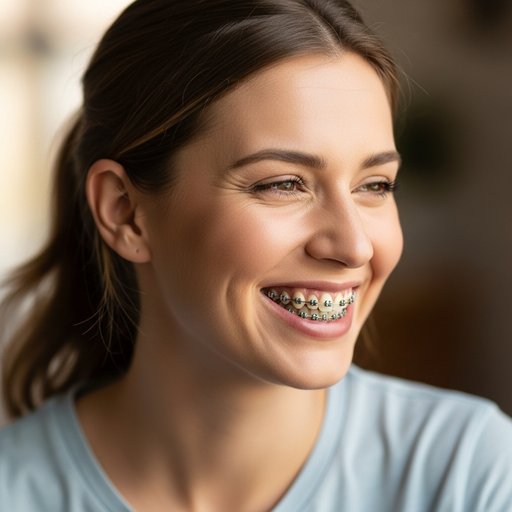
A healthy, well-aligned smile not only enhances your appearance, but it’s also essential for maintaining good oral health. Many people, both young and adult, deal with a common issue: dental crowding. If your teeth appear crooked, overlapping, or twisted, you’re likely facing this condition. In this article, we’ll explain what it is, why it happens, and what your options are to fix it effectively based on your needs.
What Is Dental Crowding?
Dental crowding is a type of malocclusion caused by a lack of space in the dental arch for the teeth to align properly. As a result, teeth may overlap, twist, or rotate, affecting both the upper and lower arches.
This issue goes beyond aesthetics. Crowded teeth are harder to clean, increasing the risk of cavities, gum disease, and other oral health problems. It can also lead to discomfort when chewing or even jaw pain if left untreated.
Why Do Adults Get Crowded Teeth?
In adulthood, the most common cause of crowded teeth is bone loss due to periodontal disease. Over time, bacteria that affect the gums destroy the bone that supports the teeth. Without this support, the teeth become unstable, shift, and tend to crowd. This issue is especially common among people with risk factors such as smoking, diabetes, high blood pressure, autoimmune conditions, or poor oral hygiene.
Aside from periodontal disease, there are several other reasons why crowding can appear or worsen in adults:
- Missing teeth not replaced: When a tooth is lost and not replaced, neighboring teeth tend to shift into the empty space, disrupting alignment.
- Lack of space in the jaw: In some cases, the teeth are larger than the jaw can accommodate, leading to crowding.
- Natural changes with age: As we age, bone structure changes, which can also affect tooth position.
- Wisdom tooth eruption: These molars can put pressure on the rest of the teeth, pushing them forward.
- Lack of or abandonment of orthodontic treatment: Many adults never had braces, or they stopped using their retainers, which allows the teeth to shift again over time.
In adults, crowded teeth don’t just impact appearance—they also make dental hygiene more difficult and increase the risk of decay and gum disease. That’s why identifying the cause and seeking treatment is so important.
Treatment Options for Crowded Teeth
The good news is that crowded teeth can be corrected. Depending on the severity of the case and your personal preferences, there are different options available—many of which don’t require visible metal braces. Let’s explore the most common treatments:
Clear Aligners (Invisible Braces)
For those looking for a discreet solution, clear aligners like Invisalign® are a great choice. These removable trays fit snugly over your teeth and are replaced every few weeks to gradually shift your smile. Their main advantage is how unnoticeable they are, and since you can remove them, brushing and flossing are easier.
Traditional Braces
Braces remain the most effective option for severe crowding. There are more aesthetic versions available today—such as ceramic or sapphire braces—that are less noticeable than traditional metal ones. This method allows for very precise tooth movement, though it usually requires longer treatment times and more frequent check-ups.
How to Align Teeth Without Braces
Nowadays, it’s possible to straighten teeth without metal braces, thanks to invisible orthodontics. This treatment uses clear, removable aligners that adapt to each stage of dental movement, allowing for a gradual and discreet transformation.
How Does Invisible Orthodontics Work?
Invisible orthodontics is based on custom-made, transparent aligners created using 3D technology. These trays are changed every one to two weeks, each applying gentle pressure to shift your teeth into their ideal position.
Advantages Over Traditional Braces:
- Discreet appearance: Since they’re nearly invisible, they don’t affect your personal or professional image.
- Comfort: No wires or metal parts that can cause sores or discomfort.
- Removable: You can take them out to eat, brush your teeth, or attend special events.
- Better oral hygiene: Being removable makes cleaning your teeth much easier and more effective.
- Predictable results: Thanks to digital planning, you can preview your final results before starting.
 Consequences of Not Treating Dental Crowding
 Consequences of Not Treating Dental Crowding
Ignoring crowded teeth might seem harmless at first, but the problems only worsen over time. Some of the most common complications include:
- Frequent cavities: Overlapping teeth make brushing and flossing difficult, allowing plaque and bacteria to build up.
- Gum disease: Plaque and tartar buildup in tight spaces can inflame the gums, leading to gingivitis or periodontitis.
- Uneven tooth wear: Misaligned bites can cause premature enamel erosion and uneven wear.
- Jaw pain: Poor bite alignment can stress the temporomandibular joint (TMJ), causing pain or clicking sounds.
- Self-esteem issues: A crooked smile can lead to insecurity and low confidence.
Fixing crowding not only enhances your smile—it’s a long-term investment in your dental health. Addressing the issue early can help prevent more serious (and expensive) problems down the road.
Don’t Wait to Improve Your Smile
Crowded teeth aren’t just a cosmetic issue—they can affect your quality of life. When your teeth are aligned, your oral health improves, hygiene becomes easier, and most importantly, you feel better about yourself.
Whether with traditional braces, clear aligners, or more discreet options, today’s treatments can fit your lifestyle. The most important step is to take action and seek professional advice. At Centro Dental Smiling, we’ll help you find the best path to a healthy, confident smile that lasts a lifetime.

Professional registration Nº 28004040
Degree in Medicine and Surgery, Autonomous University of Madrid
Degree in Dentistry, Complutense University of Madrid
Master’s Degree in Aesthetic Dentistry, Complutense University of Madrid
University Specialist in Pediatric Dentistry, San Rafael Hospital, Madrid
University Specialist in Individual and Public Oral Preventive Programs, Complutense University of Madrid
Director of Radiodiagnostic Facilities
Medical Director, Smiling Dental Center
Specialist in Aesthetic Dentistry, Dr. Bruce Crispin, Los Angeles, California
Member of the Spanish Society of Prosthodontics (SEPES)
CPR Course
Advanced English