Category

Sin categoría

Crowded Teeth: What It Is and How to Fix It

By Sin categoría

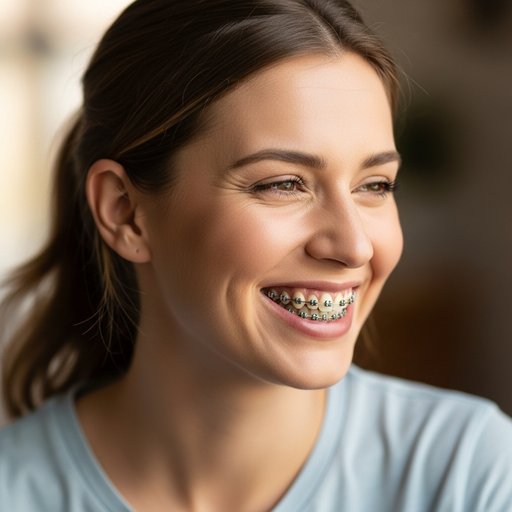
A healthy, well-aligned smile not only enhances your appearance, but it’s also essential for maintaining good oral health. Many people, both young and adult, deal with a common issue: dental crowding. If your teeth appear crooked, overlapping, or twisted, you’re likely facing this condition. In this article, we’ll explain what it is, why it happens, and what your options are to fix it effectively based on your needs.

What Is Dental Crowding?

Dental crowding is a type of malocclusion caused by a lack of space in the dental arch for the teeth to align properly. As a result, teeth may overlap, twist, or rotate, affecting both the upper and lower arches.

This issue goes beyond aesthetics. Crowded teeth are harder to clean, increasing the risk of cavities, gum disease, and other oral health problems. It can also lead to discomfort when chewing or even jaw pain if left untreated.

Why Do Adults Get Crowded Teeth?

In adulthood, the most common cause of crowded teeth is bone loss due to periodontal disease. Over time, bacteria that affect the gums destroy the bone that supports the teeth. Without this support, the teeth become unstable, shift, and tend to crowd. This issue is especially common among people with risk factors such as smoking, diabetes, high blood pressure, autoimmune conditions, or poor oral hygiene.

Aside from periodontal disease, there are several other reasons why crowding can appear or worsen in adults:

  • Missing teeth not replaced: When a tooth is lost and not replaced, neighboring teeth tend to shift into the empty space, disrupting alignment.
  • Lack of space in the jaw: In some cases, the teeth are larger than the jaw can accommodate, leading to crowding.
  • Natural changes with age: As we age, bone structure changes, which can also affect tooth position.
  • Wisdom tooth eruption: These molars can put pressure on the rest of the teeth, pushing them forward.
  • Lack of or abandonment of orthodontic treatment: Many adults never had braces, or they stopped using their retainers, which allows the teeth to shift again over time.

In adults, crowded teeth don’t just impact appearance—they also make dental hygiene more difficult and increase the risk of decay and gum disease. That’s why identifying the cause and seeking treatment is so important.

Treatment Options for Crowded Teeth

The good news is that crowded teeth can be corrected. Depending on the severity of the case and your personal preferences, there are different options available—many of which don’t require visible metal braces. Let’s explore the most common treatments:

Clear Aligners (Invisible Braces)

For those looking for a discreet solution, clear aligners like Invisalign® are a great choice. These removable trays fit snugly over your teeth and are replaced every few weeks to gradually shift your smile. Their main advantage is how unnoticeable they are, and since you can remove them, brushing and flossing are easier.

Traditional Braces

Braces remain the most effective option for severe crowding. There are more aesthetic versions available today—such as ceramic or sapphire braces—that are less noticeable than traditional metal ones. This method allows for very precise tooth movement, though it usually requires longer treatment times and more frequent check-ups.

How to Align Teeth Without Braces

Nowadays, it’s possible to straighten teeth without metal braces, thanks to invisible orthodontics. This treatment uses clear, removable aligners that adapt to each stage of dental movement, allowing for a gradual and discreet transformation.

How Does Invisible Orthodontics Work?

Invisible orthodontics is based on custom-made, transparent aligners created using 3D technology. These trays are changed every one to two weeks, each applying gentle pressure to shift your teeth into their ideal position.

Advantages Over Traditional Braces:

  • Discreet appearance: Since they’re nearly invisible, they don’t affect your personal or professional image.
  • Comfort: No wires or metal parts that can cause sores or discomfort.
  • Removable: You can take them out to eat, brush your teeth, or attend special events.
  • Better oral hygiene: Being removable makes cleaning your teeth much easier and more effective.
  • Predictable results: Thanks to digital planning, you can preview your final results before starting.

Consequences of Not Treating Dental Crowding
Ignoring crowded teeth might seem harmless at first, but the problems only worsen over time. Some of the most common complications include:

  • Frequent cavities: Overlapping teeth make brushing and flossing difficult, allowing plaque and bacteria to build up.
  • Gum disease: Plaque and tartar buildup in tight spaces can inflame the gums, leading to gingivitis or periodontitis.
  • Uneven tooth wear: Misaligned bites can cause premature enamel erosion and uneven wear.
  • Jaw pain: Poor bite alignment can stress the temporomandibular joint (TMJ), causing pain or clicking sounds.
  • Self-esteem issues: A crooked smile can lead to insecurity and low confidence.

Fixing crowding not only enhances your smile—it’s a long-term investment in your dental health. Addressing the issue early can help prevent more serious (and expensive) problems down the road.

Don’t Wait to Improve Your Smile

Crowded teeth aren’t just a cosmetic issue—they can affect your quality of life. When your teeth are aligned, your oral health improves, hygiene becomes easier, and most importantly, you feel better about yourself.

Whether with traditional braces, clear aligners, or more discreet options, today’s treatments can fit your lifestyle. The most important step is to take action and seek professional advice. At Centro Dental Smiling, we’ll help you find the best path to a healthy, confident smile that lasts a lifetime.

Which Bacteria Can Cause Bad Breath?

By Sin categoría

Bad breath, or halitosis, is more common than most people think. Although it can be an uncomfortable topic to discuss, it affects a large part of the population. Sometimes it’s temporary and can be resolved with improved oral hygiene, but in other cases, it’s persistent and caused by more complex bacterial issues.

Identifying the bacteria responsible for bad breath is key to treating it effectively. Many of these microorganisms settle in hard-to-reach areas, such as the back of the tongue, the gums, or the spaces between the teeth. Understanding how they behave is an important step toward maintaining a healthy mouth and fresh breath.

Which Bacteria Cause Bad Breath?

There isn’t a single culprit — rather, a group of mostly anaerobic bacteria thrive in low-oxygen environments. These bacteria flourish in moist, dark, and sheltered areas of the mouth.

Main bacteria linked to halitosis:

  • Fusobacterium nucleatum
    Found in nearly every human mouth, this bacterium contributes to plaque formation. It feeds on proteins and produces volatile sulfur compounds (VSCs), which are responsible for the unpleasant odor. It is also linked to periodontal disease.

  • Porphyromonas gingivalis
    One of the most aggressive bacteria involved in periodontitis. It produces hydrogen sulfide and other foul-smelling gases. Its presence contributes to bad breath and worsens gum health.

  • Prevotella intermedia
    Commonly found in people with inflamed or bleeding gums. It also generates odorous compounds and encourages the growth of other harmful bacteria. Controlling it is essential in halting the progression of chronic halitosis.

  • Tannerella forsythia
    Part of the so-called “red complex” (Socransky), a group of highly pathogenic bacteria associated with severe periodontitis. It produces VSCs and works synergistically with other destructive bacteria like Porphyromonas gingivalis and Treponema denticola.

  • Treponema denticola
    Spiral-shaped and highly mobile, this bacterium appears in advanced stages of periodontal disease. Its interaction with other bacteria intensifies halitosis, making professional detection and treatment essential.

Periodontal Microbiological Study: A Real Case at Centro Dental Smiling

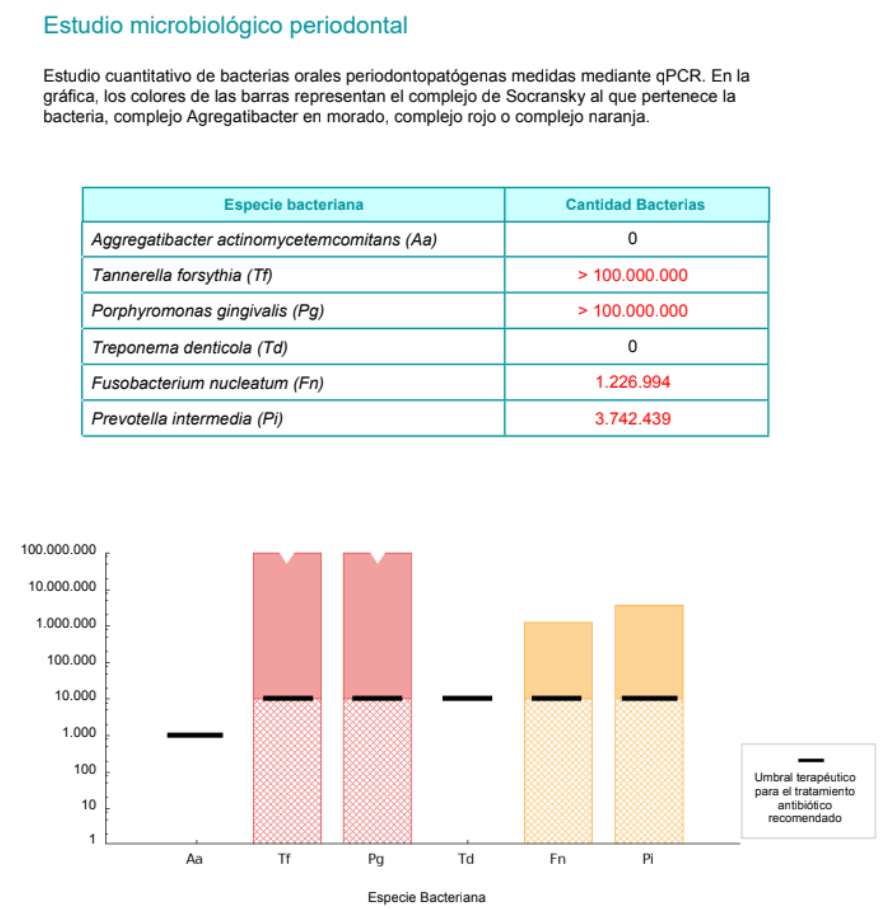
At our clinic, we performed a periodontal microbiological study on a patient with persistent bad breath using qPCR technology. This quantitative analysis allows us to measure the number of periodontopathogenic bacteria with great precision.

Study Results:


As shown (even after data normalization for better graph readability), a very high bacterial load of Tannerella forsythia and Porphyromonas gingivalis was detected — clearly explaining the patient’s severe halitosis.

Treatment Applied:
A scaling and root planing procedure was performed to eliminate bacterial biofilm, followed by a course of adjunctive antibiotics. The patient experienced significant improvement within just a few days.

Such treatments must always be supervised by a professional after a thorough clinical evaluation.

Antibiotics for Bad Breath: When Are They Recommended?

While antibiotics can help in some cases of bacteria-related halitosis, they’re not always the first line of treatment. They are typically indicated when there is an active infection, such as advanced periodontitis or certain respiratory infections.

Prolonged or unsupervised use can cause side effects like oral thrush or bacterial resistance. There are also topical antibacterial mouthwashes (such as chlorhexidine) that can be used for short periods to avoid tooth staining or taste alteration.

Helicobacter pylori and Bad Breath

Although most halitosis cases have an oral origin, sometimes the problem stems from the digestive system. Helicobacter pylori, a stomach bacterium, can disrupt digestion and contribute to gastroesophageal reflux, allowing foul-smelling compounds to reach the mouth.

Symptoms such as nausea, heartburn, or abdominal pain may suggest its presence. Diagnosis is done through urea breath tests, blood tests, or endoscopy. Treatment typically includes antibiotics combined with proton pump inhibitors.

Other Factors That Promote Bacterial Growth

  • Dry mouth (xerostomia):
    Saliva helps wash away bacteria and has antimicrobial properties. A decrease in saliva production favors bad breath. Causes include mouth breathing, certain medications, stress, or conditions like diabetes.

  • Plaque and tartar buildup:
    When plaque isn’t removed, it hardens into tartar, which harbors anaerobic bacteria that are difficult to eliminate without professional cleaning.

  • Coated tongue (lingual coating):
    The back of the tongue can accumulate a whitish layer of bacteria, dead cells, and food debris. Using a tongue scraper is key in reducing halitosis.

How to Prevent Bacterial Bad Breath

With consistent habits, halitosis can be prevented:

  • Brush your teeth at least twice a day — using interdental brushes is highly recommended.

  • Use dental floss or interdental brushes.

  • Clean your tongue daily.

  • Stay well-hydrated.

  • Avoid smoking and excessive alcohol consumption.

  • Visit your dentist for regular checkups.

  • Get professional cleanings when necessary.

  • Ask about specific mouthwashes that control bacterial load without damaging the oral flora.

Trust the Professionals

Don’t fight bad breath on your own. A proper diagnosis and personalized treatment plan can make all the difference. At Centro Dental Smiling, we have the technology to perform microbiological studies and a team of experts ready to help you regain your confidence and well-being.

Have questions or persistent symptoms?
Book your appointment and start breathing easy.

Why Do Teeth Darken with Age?

By Sin categoría

Why Do Teeth Darken with Age?

Have you noticed your teeth looking darker or more yellow over time? You’re not alone. It’s a very common concern. While it’s often associated with drinking coffee or smoking, there are actually multiple cumulative — and often natural — causes behind tooth discoloration. Understanding why teeth darken and how to slow down the process can make a real difference.

Aging and Tooth Discoloration: An Inevitable Reality

We all age — and so do our teeth. Over the years, both the body and mouth undergo changes. Dental enamel, the protective outer layer of the tooth, gradually wears down. As it becomes thinner, the underlying dentin, which has a more yellowish tone, becomes more visible.

Additionally, over time, particles from food, drinks, and bacteria can penetrate the micro-pores of the enamel. Daily oral hygiene helps reduce this effect, but some pigments cling stubbornly to the surface. This is a slow, progressive process that often goes unnoticed at first.

How Enamel Wear Leads to Darker Teeth

The thinning of enamel directly impacts tooth color. Dentin — which is less shiny and naturally yellowish — becomes more visible as enamel stops fully masking it. Although this is a natural change, it becomes more noticeable with staining habits or poor oral hygiene. The thinner the enamel, the less protection the tooth has from external pigments.

Is White the Natural Color of Teeth?

Not all teeth are naturally white. There is a wide range of tooth shades that are perfectly normal and healthy. The color we see depends on several factors: genetics, enamel thickness, dentin pigmentation, and even diet. For example, some people are born with more translucent enamel, which reveals darker dentin underneath. Others have thicker, more opaque enamel, which reflects more light and appears whiter.

Does Genetics Affect Tooth Color?

Genetics play a significant role. If one or both parents have thinner enamel or more yellowish dentin, that tendency can be inherited. This has nothing to do with hygiene: some people with excellent oral care still have darker teeth simply due to their genetic makeup. It’s also common for baby teeth to look whiter than permanent teeth, making the color change more noticeable after adult teeth erupt.

External Factors That Darken Teeth

In addition to genetics and natural aging, various external factors can contribute to tooth discoloration:

  • Smoking: Nicotine and tar easily stick to enamel, leading to persistent brown or yellow stains.
  • Colored drinks: Coffee, tea, red wine, cola, and other artificially colored beverages leave behind residue.
  • Pigmented foods: Berries, turmeric, and dark sauces gradually stain teeth.
  • Poor oral hygiene: Plaque that isn’t removed daily turns into tartar — a hardened, stained substance.
  • Medications: Drugs like tetracyclines (if taken during tooth development) or excessive fluoride use can cause permanent discoloration.

How Certain Medications Cause Tooth Discoloration

In specific cases, discoloration is linked to exposure to certain medications during critical stages of dental development, like childhood. Tetracyclines, for instance, can penetrate developing enamel and cause intrinsic staining. In adults, long-term treatments such as chemotherapy or certain hormone therapies may also affect tooth color, especially when combined with other contributing factors.

Is Tooth Discoloration Reversible?

In some cases, yes. Surface (extrinsic) stains on the enamel can often be removed through professional cleanings or whitening treatments. However, when discoloration stems from enamel thinning or affects the dentin, more specialized treatments are needed.

There are safe procedures that can restore a brighter smile without damaging tooth structure. If you’re interested in improving the shade of your teeth, professional teeth whitening in Madrid is a safe and effective option for enhancing your smile while preserving your oral health.

Why Do Teeth Darken Even with Good Oral Care?

This is a common question. While proper oral hygiene reduces the risk of discoloration, some factors are simply beyond our control. As mentioned earlier, genetics, aging, and chronic exposure to pigmented substances all play a role over time. Even whitening toothpastes have their limits, as they cannot reverse enamel thinning. That’s why many people with healthy habits still notice gradual tooth color changes.

How to Prevent Further Tooth Darkening

While natural discoloration may not be completely avoidable, it can be slowed down with a few routine changes:

  • Brush your teeth at least twice a day to maintain proper oral hygiene.
  • Limit pigmented drinks. When consuming them, use a straw to reduce contact with teeth.
  • Avoid smoking — tobacco is one of the worst offenders for tooth discoloration and oral health.
  • Visit your dentist regularly for professional cleanings to remove built-up tartar.
  • Stay hydrated to support natural saliva production, which helps clean the mouth.
  • If using mouthwash, avoid long-term use of chlorhexidine-based rinses, as they can stain teeth with prolonged use.

Pro tip: Regular cleanings are not just cosmetic. They remove bacteria, calcified debris, and pigments that affect tooth color and increase the risk of more serious dental issues.

Poor Oral Hygiene Can Lead to Darker Teeth

When plaque and food particles aren’t properly removed, they harden into tartar. Tartar is porous and tends to absorb pigments over time, making teeth appear darker. It also contributes to cavities, gingivitis, and other conditions that impact the overall look of your smile.

Why Do Young People Sometimes Have Darker Teeth?

Though often associated with aging, discoloration can also affect young people. Diets high in sugar, energy drinks, dark sodas, teenage smoking, and lack of oral care are major contributors. In these cases, early intervention is crucial. The sooner habits are corrected, the less cumulative damage to both tooth color and oral health.

How to Monitor Tooth Shade Changes Over Time

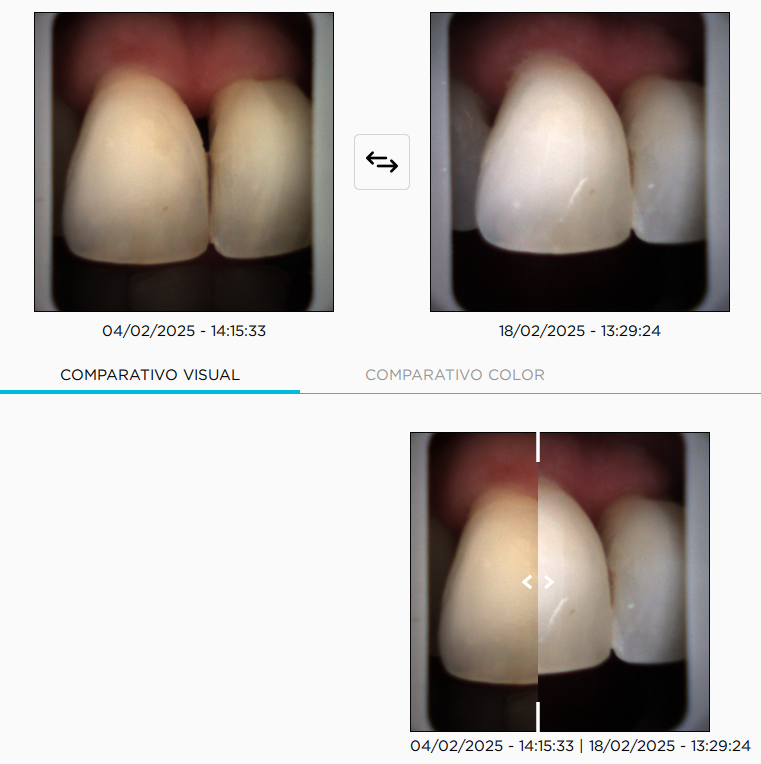
At Centro Dental Smiling, we specialize in teeth whitening in Madrid and use cutting-edge technology to monitor results. During your first visit, we’ll take a baseline measurement using a spectrophotometer. Then, each week throughout your at-home treatment, we’ll take additional readings to track changes in three key parameters: brightness, translucency, and luminosity.

This allows patients to see the real-time effectiveness of their treatment, and enables us to precisely tailor the best whitening strategy for each case.

baking soda whitening

Whitening Your Teeth with Baking Soda: A Risky Myth

By Sin categoría

You’ve probably heard that baking soda can help you achieve a whiter smile. This home remedy has been passed down through generations as a cheap and “natural” alternative to professional teeth whitening. But does it really work? Is it safe? Today, we dive into this topic with clear, honest, evidence-based information — answering common questions and offering safer, more effective alternatives.

Baking Soda for Teeth Whitening: Myth or Reality?

Baking soda owes its popularity to its gritty texture, which can remove some surface stains from teeth. It also helps neutralize oral acids, providing temporary freshness and a clean feeling. For this reason, many people see it as a magical solution for whiter teeth.

However, it’s important to understand that the natural color of your teeth is mostly determined by the dentin — a grayish or yellowish layer beneath the enamel. Baking soda only acts on the surface, removing light stains caused by things like coffee, tea, or tobacco. It has no effect on the actual shade of your teeth, so its whitening power is very limited.

What’s more, using it incorrectly or too often can actually do more harm than good. Just because something is accessible and seems harmless doesn’t mean it’s free of consequences.

What Does Science Say About Using Baking Soda on Teeth?

Dental research is clear: while baking soda can be helpful as an occasional cleaning aid, it should not be considered a whitening treatment. Its abrasive quality can remove surface buildup, but it may also wear away tooth enamel if used frequently or improperly.

Dental associations and professional clinics discourage regular use. It doesn’t replace clinical treatments and it won’t deliver lasting results. In fact, overusing it could lead to more oral health problems in the long run than benefits.

Risks of Whitening Teeth with Baking Soda

Many people associate the word “natural” with “safe.” But that’s not always true. Baking soda might seem like a simple solution, but if used improperly, it can cause irreversible damage to your oral health.

Enamel Erosion

Tooth enamel is the natural protective barrier of your teeth — and it doesn’t regenerate. Once it’s lost, the damage is permanent. Because baking soda is abrasive, it can gradually wear down enamel, weakening your teeth and making them more vulnerable to cavities, sensitivity, and even fractures.

Tooth Sensitivity

Tooth sensitivity is one of the most common side effects of using baking soda regularly. Even a single use can lead to discomfort when consuming hot or cold drinks. As enamel thins, the nerves inside the tooth become more exposed.

Gum and Tissue Irritation

Baking soda can disrupt the pH balance in your mouth, potentially causing irritation in your gums and soft tissues like the tongue, cheeks, or palate. Some users report canker sores or a burning sensation, especially if they already have sensitive gums or minor lesions.

False Sense of Cleanliness

Another overlooked risk is the false sense of cleanliness it may provide. Feeling like your teeth are cleaner after using baking soda might lead you to neglect essential habits — such as brushing with proper toothpaste, flossing, and visiting the dentist regularly.

Relying solely on baking soda as your cleaning method is not only insufficient — it can allow existing dental issues to worsen if left untreated.


whitening with baking soda

Safe Alternatives to Baking Soda for Teeth Whitening

If you’re looking for a brighter smile without compromising your oral health, stick to clinically approved methods. Today, there are many safe, accessible options with proven results.

The best approach is to trust professionals in teeth whitening — like Centro Dental Smiling in Madrid. We use the latest whitening technology in a controlled, professional environment to ensure effective results without damaging enamel.

We also use advanced spectrometer tools to track the progress of your whitening treatment and clearly communicate improvements to our patients.

Professional Dental Cleanings

Having a professional dental cleaning every six months removes tartar and stains that regular brushing can’t. Not only does this improve the overall look of your teeth, but it also helps prevent gum diseases like gingivitis and periodontitis.

Whitening Trays and Gels

In some cases, your dentist may recommend custom whitening trays paired with specially formulated gels. These treatments are supervised by professionals and allow you to continue the process at home. Visible results usually appear within a few weeks — with no harm to your enamel.

Healthy Habits and Diet

Cutting back on coffee, red wine, soft drinks, and tobacco can help keep your teeth whiter for longer. Drinking water after meals also helps rinse away residue that can stain your enamel.

So… Is It Worth Trying Baking Soda to Whiten Your Teeth?

The promise of a cheap, effective home remedy is always tempting. But when it comes to your oral health, it’s not worth taking unnecessary risks. Baking soda is not only ineffective at changing the natural color of your teeth — it can also cause lasting damage.

If your goal is a brighter, healthier smile, the best thing you can do is visit a dentist. Professional treatments are designed to deliver real results while preserving the integrity of your teeth. Oral health and aesthetics should go hand in hand — not work against each other.

How Often Can I Get a Teeth Whitening Treatment?

By Sin categoría

How Often Can I Get a Teeth Whitening Treatment?

A bright smile can do wonders for our confidence, so it’s no surprise that teeth whitening has become one of the most popular cosmetic treatments. The most common question we hear in our clinic is about the ideal frequency of whitening treatments.

The short answer: wait between 12 and 18 months between full treatments. But since every smile is unique, let’s dive into the details that determine the perfect timing for your next whitening session.

how much lasts a dental whitening

Your Lifestyle Sets the Pace

Not all teeth stain at the same rate. If you love coffee, tea, red wine, or turmeric, you may notice that your smile loses its brightness more quickly. The same applies if you smoke. On the other hand, reducing the consumption of these beverages can help maintain your whitening results for longer.

Tooth sensitivity also plays a crucial role. Some people can undergo treatments more frequently without discomfort, while others need to space them out. The key is to listen to your mouth and avoid forcing the timing.

How Long Does Teeth Whitening Last?

The duration of teeth whitening results can be influenced by various factors. Diet plays a significant role, particularly the regular consumption of highly pigmented foods and beverages. Daily oral hygiene is equally important—proper brushing and regular flossing help maintain results for longer. The type of whitening treatment also matters, as professional, clinic-supervised treatments tend to provide longer-lasting results.

Genetic predisposition is another important factor, as some patients naturally have more porous enamel, making them more prone to staining. Age also affects the durability of the treatment, since dentin—the inner part of the tooth—tends to darken over time.

Finally, exposure to chromogenic agents like tobacco, red wine, or coffee can significantly reduce the longevity of the whitening results if proper precautions are not taken after treatment.

Precision Technology for Predictable Results

At our clinic, we have revolutionized teeth whitening follow-ups by using the most advanced technology. During check-ups, we assess the condition of the whitening process using a spectrophotometer. What does this mean for you? Imagine having a detailed map of each area of your teeth, showing exactly how their color evolves over time and their whitening potential.

This technology allows us to:

  • Accurately measure the shade of each tooth area.
  • Determine the brightness level, indicating the tooth’s whitening potential.
  • Digitally document your whitening progress for an objective and measurable evolution.
  • Detect early if a specific area needs special attention or a touch-up.
  • Personalize your maintenance plan based on real data.

Maintenance Program to Maximize Whitening Longevity

To ensure the stability of your teeth whitening treatment, we have developed a comprehensive maintenance protocol that combines advanced technology with preventive care. We integrate at-home treatments with in-clinic procedures to achieve the best results. Our approach includes periodic follow-ups using high-precision spectrophotometer measurements, allowing us to detect subtle changes in tooth color. These evaluations are complemented by professional dental cleanings every six months, which are essential for removing surface stains and preventing pigment buildup.

Depending on each patient’s specific needs, we incorporate the application of remineralizing products that strengthen the enamel and help maintain the achieved shade. We work closely with our patients to adjust their oral hygiene habits, providing personalized recommendations tailored to their lifestyle and daily routine. When our objective measurements indicate the need, we perform maintenance treatments to ensure your smile retains its brightness and luminosity over time.

Whitening Evaluation Process with a Spectrophotometer

During each check-up, our team conducts a comprehensive analysis using the spectrophotometer, which works as follows:

  1. Digital capture of the tooth surface.
  2. Spectral analysis of different tooth areas.
  3. Comparison with previous records.
  4. Generation of detailed progress reports.
  5. Personalized recommendations based on objective data.

The spectrophotometer allows us to measure the before and after of the teeth whitening process with high precision.


Why Choose Professional Follow-Up?

The difference between a successful whitening treatment and an average one isn’t just the initial procedure but also its maintenance. Our spectrophotometer-based monitoring system removes any doubts about the process. No more guessing whether your teeth have changed color or when you might need a touch-up.

Each visit generates a detailed report that allows us to:

  • Objectively compare changes in tooth color.
  • Adjust recommendations based on your personal progress.
  • Predict when you might need a touch-up based on brightness levels.
  • Document your progress with precise data.

The key is to embrace the fact that every patient is unique—even in teeth whitening. There is no one-size-fits-all schedule, which is why we tailor the program to your specific needs, lifestyle, and aesthetic goals. We combine at-home and in-clinic treatments to achieve the best possible results.

Call Now Button