

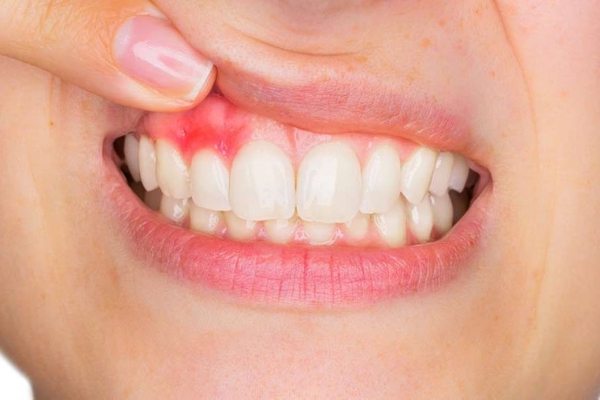
It is very likely that, at some point in front of the mirror, you have noticed that your teeth look longer than usual or that the gum line has shifted upwards. This sensation is not just an aesthetic perception; gum recession, commonly known as receding gums, is one of the most common oral health issues today.
Far from being just a cosmetic concern, receding gums act as a warning sign from our body. If not addressed in time, this condition can lead to acute tooth sensitivity, the development of cavities on root surfaces lacking protective enamel, and even progressive loss of the bone supporting the teeth. In this article, we will explore in depth the solutions for receding gums, covering everything from correcting daily habits to cutting-edge clinical treatments.
Why do gums recede?
Gum recession rarely occurs due to a single cause; it is usually the result of a combination of genetic factors and lifestyle habits. Understanding the origin is the first step to halting the process:
- Periodontal Disease: This is the most severe cause. The buildup of plaque and tartar triggers an infection that progressively destroys the gum tissue and the alveolar bone that supports the teeth.
- Brushing trauma: Paradoxically, excessively aggressive oral hygiene can be harmful. Using hard-bristled brushes or overly vigorous techniques literally “wears away” the soft tissue.
- Mechanical factors and bruxism: The involuntary habit of clenching or grinding teeth puts excessive pressure on the gum line, which can force it to recede. Similarly, poor dental alignment (malocclusion) distributes pressure unevenly, affecting tissue stability.
- Lifestyle and overall health: Smoking reduces blood flow to the gums, hindering their ability to regenerate and defend themselves. Systemic conditions such as uncontrolled diabetes can also exacerbate gum inflammation.
Warning signs and preventive care
Recession is usually gradual, so it is vital to learn to identify early signs before significant damage occurs. The most characteristic symptoms include:
- Tooth hypersensitivity: Sharp discomfort when consuming very cold, hot, or sweet foods due to exposed tooth roots.
- Visual changes: The appearance of “black gaps” between teeth or a visible color difference between the crown and the exposed root.
- Recurring inflammation: Gums that turn bright red, swell, or bleed easily during brushing or flossing.
To stop the progression of this problem, prevention is our best ally. It is essential to maintain proper oral hygiene, prioritizing soft-bristled brushes and gentle sweeping techniques that do not harm the tissue. Complementary use of dental floss or interdental brushes is indispensable to remove bacteria where the toothbrush cannot reach.
Advanced treatments to restore gum health
Although it is commonly believed that gums can regenerate naturally, once tissue is lost, professional intervention is usually required to restore it. Depending on the degree of recession, there are several treatment options:
Scaling and root planing
When the cause is periodontal disease, a deep cleaning is performed below the gum line. This treatment removes tartar accumulated on the roots, allowing the inflamed tissue to disinfect and reattach to the tooth, thus stopping bone loss.
Microsurgery and Gum Grafts
In cases where the root is highly exposed or there is a risk of tooth loss, a gum graft is the most definitive solution. It involves taking a small tissue sample (usually from the patient’s own palate) to cover the recessed area. This high-precision procedure not only improves aesthetics but also strengthens the tooth’s natural protection.
Dental Veneers: The aesthetic solution for recession sequelae
Even after successfully halting gum recession, it is common for the smile to show visible sequelae that affect patient confidence. Tissue loss often exposes the tooth root, creating the appearance of “long” and disproportionate teeth. In this scenario, dental veneers for receding gums become an excellent aesthetic dentistry tool to restore lost harmony.
These porcelain or composite veneers, custom-designed for each patient, offer an immediate transformation addressing three critical issues:
- Correction of tooth proportion: By covering the exposed part of the tooth, veneers allow visual length adjustment. This eliminates an aged or asymmetrical appearance, giving teeth a balanced and aesthetically pleasing size.
- Elimination of “black triangles”: When gums recede, the papillae (tissue filling the space between teeth) disappear, leaving unsightly dark gaps. Veneers are strategically shaped to close these spaces, improving aesthetics and preventing food from getting trapped.
- Uniform tone and texture: The root has a yellower color and a different texture than the crown enamel. Veneers unify the color of the entire tooth, achieving a natural, glossy finish that integrates seamlessly with the rest of the mouth.
Key considerations before treatment
It is vital to understand that veneers are a restorative and aesthetic solution, not a remedy for periodontal disease. Clinical protocols require a strict sequence:
Health before aesthetics: Veneers should never be placed if there is active inflammation, bleeding, or infection. The first step is always periodontal treatment to ensure the “foundation” (the gums) is healthy and stable.
Additionally, in patients whose recession was caused by bruxism, it is essential to use a night guard after veneer placement. Otherwise, excessive pressure could fracture the veneers or cause further gum recession, exposing the veneer edge and compromising long-term results.
If you want to regain confidence in your smile after overcoming gum issues, veneers provide the final touch for a mouth that is not only healthy but radiant.
A long-term commitment to your smile
Stopping gum recession is possible when precise clinical diagnosis is combined with real changes in daily habits. Avoiding tobacco, managing stress to reduce bruxism, and attending regular check-ups are simple steps that make the difference between keeping your natural teeth or facing more complex treatments in the future.
If you notice any of these symptoms, do not wait until discomfort becomes persistent. Early detection allows for less invasive treatments and ensures your smile remains healthy and functional for many years.

Professional registration Nº 28004040
Degree in Medicine and Surgery, Autonomous University of Madrid
Degree in Dentistry, Complutense University of Madrid
Master’s Degree in Aesthetic Dentistry, Complutense University of Madrid
University Specialist in Pediatric Dentistry, San Rafael Hospital, Madrid
University Specialist in Individual and Public Oral Preventive Programs, Complutense University of Madrid
Director of Radiodiagnostic Facilities
Medical Director, Smiling Dental Center
Specialist in Aesthetic Dentistry, Dr. Bruce Crispin, Los Angeles, California
Member of the Spanish Society of Prosthodontics (SEPES)
CPR Course
Advanced English


