


Periodontitis is one of the most common oral diseases among adults, and unfortunately, it often goes unnoticed until it has already caused significant damage. One of the biggest concerns patients have is whether it’s possible to save a tooth affected by this condition.
Can a Tooth with Periodontitis Really Be Saved?
The short answer is yes—many times, a tooth affected by periodontitis can be saved, especially if the condition is treated early. Periodontitis is a chronic infection that affects the gums and the bone that supports the teeth. If left untreated, it can progress and lead to tooth loss.
However, when diagnosed in its early or even moderate stages, there are effective treatments that can stop its progression, reduce inflammation, and sometimes even regenerate damaged tissue. Even in more advanced cases, specialized procedures can help stabilize the situation.
Whether a tooth can be preserved depends on several factors: the level of bone loss, tooth mobility, the depth of the periodontal pockets, and—critically—the patient’s commitment to oral hygiene and regular check-ups.
Periodontal treatment is a combination of clinical procedures and personal care. Teamwork between the dentist and the patient is key to achieving good results and prolonging the life of the affected tooth.
How to Treat Periodontitis
Although people often talk about “curing” periodontitis, it’s more accurate to speak of managing it, as it is a chronic condition. The goal of treatment is to control the disease before it causes irreversible damage, manage flare-ups, and maintain the function and appearance of the teeth. Various therapies may be used depending on the severity of the case.
Deep Professional Cleaning
The first step is a deep cleaning known as scaling and root planing. This procedure removes plaque and tartar from beneath the gum line—areas a toothbrush can’t reach. By reducing the bacterial load and cleaning the periodontal pockets, disease progression can be stopped.
Antimicrobial Treatments
In some cases, antibiotics may be prescribed alongside the deep cleaning to fight more persistent infections. These can be administered as local gels, mouth rinses, or oral tablets, depending on the extent of the infection.
Periodontal Microbiological Testing
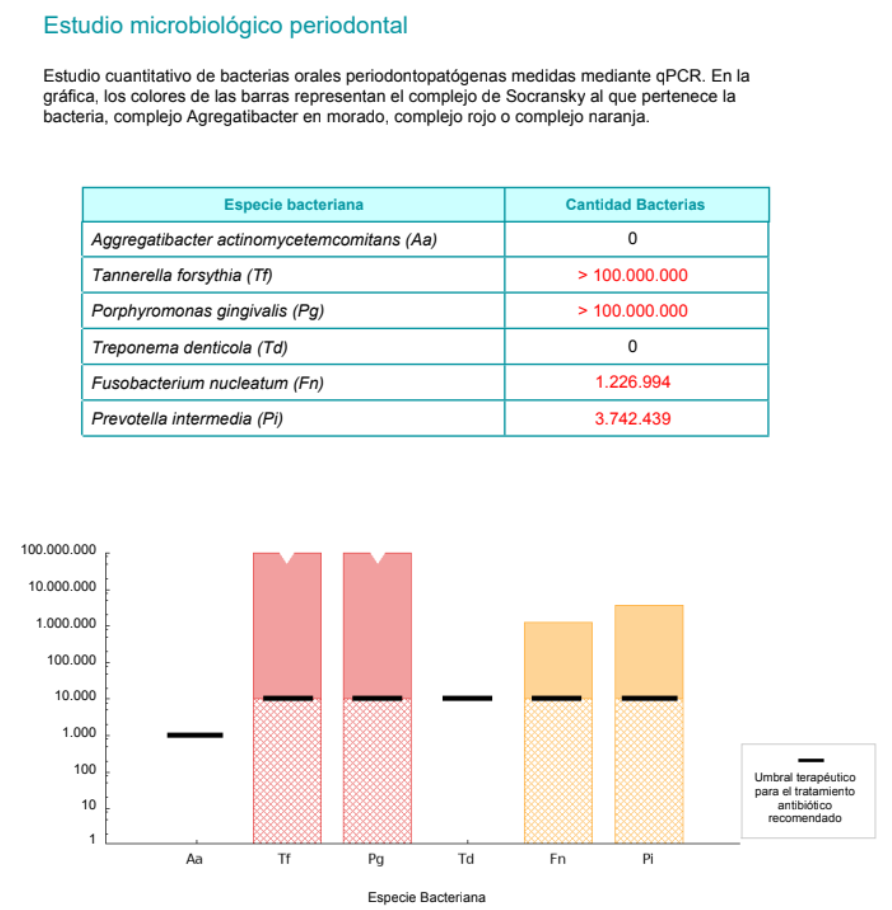
To determine the root cause of periodontitis and identify specific bacteria involved, a periodontal microbiological test is essential. This quantitative analysis measures the levels of pathogenic bacteria with high precision and helps guide targeted antibiotic or other specific treatments.
 Periodontal Surgery
 Periodontal Surgery
In advanced cases, surgery may be necessary to reduce deep pockets and clean hard-to-reach areas. Guided bone regeneration may also be performed to restore lost bone structure and support for the tooth.
Oral Hygiene and Follow-Up
Once treatment begins, maintaining meticulous oral hygiene is crucial. This includes brushing at least twice daily using the proper technique, flossing, and using antiseptic rinses recommended by your dentist. Regular check-ups are also essential to monitor progress and prevent relapse.
Patients who stick to these recommendations can preserve their teeth for many years—even after a periodontitis diagnosis. Consistency and professional care make all the difference.
Treating Periodontitis at Home
While clinical treatment is irreplaceable, home care is essential to support and maintain the results achieved in the dental office. A lifestyle that prioritizes oral health makes any professional intervention more effective. Here are some key practices:
Proper Brushing Technique
Brushing well is not the same as brushing fast. Take your time—at least two minutes per session—and use a soft-bristled or, ideally, an electric toothbrush. Hold the brush at a 45-degree angle toward the gum line and use gentle, controlled strokes. This removes debris without harming the gums.
Daily Flossing
Flossing removes plaque from areas your toothbrush can’t reach. It should be done gently every night to avoid damaging the gums. Options like floss picks or dental tape can make the process easier.
Using the Right Mouthwash
Choose a mouthwash containing chlorhexidine or other ingredients recommended by your dentist. These should not be used long-term without supervision, as they can stain teeth or disrupt healthy bacteria. Mouthwash should be part of a guided treatment plan.
Avoid Tobacco
Smoking interferes with healing, reduces blood flow to the gums, and encourages tartar buildup. It also masks disease symptoms, making diagnosis harder. Quitting smoking drastically improves outcomes.
Healthy Lifestyle Habits
Getting enough sleep, eating a balanced diet, and managing stress all influence your immune system. When it’s functioning properly, your body is better equipped to fight periodontal disease. Activities like walking, yoga, or reducing screen time can improve your overall—and oral—health.
A consistent daily routine is the best support for professional treatment. What you do at home has a direct impact on how the disease progresses.
Foods to Avoid with Periodontitis
Diet plays a more important role in oral health than many people realize. Certain foods promote harmful bacteria, while others support tissue regeneration and reduce inflammation. Here are the ones to avoid or limit if you have periodontitis:
Refined Sugars
Cakes, candies, chocolate bars, sugary drinks, and processed pastries feed oral bacteria. Sugar creates an acidic environment that damages teeth and gums, promoting the growth of pathogens.
Sticky or Hard Foods
Sticky sweets, sugary gum, and even some nuts can get trapped between teeth. Meanwhile, very hard foods like dense cookies or large chunks of toasted bread can cause irritation or microfractures in weakened teeth.
Excessive Alcohol
Alcohol dries out the mouth, disrupts healthy bacteria, and increases the risk of infection. Many alcoholic drinks also contain added sugars, worsening the effects. Regular alcohol consumption can undermine the progress made with periodontal treatment.
Trans Fats and Processed Foods
Fast food burgers, deli meats, packaged snacks, jarred sauces, and ready-made meals contribute to systemic inflammation. This can weaken the body’s defense against chronic infections like periodontitis.
Healthy Alternatives
Choose foods that strengthen your immune system and support healthy gums: fiber-rich fruits like apples and pears, leafy greens high in vitamin K, raw bell peppers rich in vitamin C, and omega-3 sources like salmon. These nutrients aid tissue repair and reduce inflammation.
When a Tooth Can No Longer Be Saved
Not every tooth affected by periodontitis can be saved. In some cases, the damage is too extensive, and keeping the tooth may do more harm than good. Signs that a tooth may no longer be salvageable include:
- Severe bone loss that leaves the tooth without support
- Excessive mobility that causes discomfort when chewing or speaking
- Recurring infections that spread to surrounding tissues
- Fractures or internal structural damage that make the tooth non-restorable
In these cases, the best course of action is to extract the tooth and plan a suitable replacement—such as a fixed bridge or a dental implant—to restore both function and appearance.

Professional registration Nº 28014028
Degree in Dentistry. Rey Juan Carlos University.
Master’s Degree in Surgery, Implantology and Periodontics. European University of Madrid.
Master’s Degree in Periodontics and Implantology – Periocentrum & University of Padua (Italy).
Advanced Course in Implant Prosthetics. Rey Juan Carlos University.
Clinical Residency at NYU: Advances in Aesthetics and Implantology. NYU College of Dentistry, New York.
DSD Official Residency – Digital Smile Design.
Specialist in Dental Aesthetics. Complutense University of Madrid.
Director of Dental Radiodiagnosis.
Cardiopulmonary Resuscitation (CPR) Course.
Member of the Spanish Society of Periodontology and Osseointegration (SEPA) and the Spanish Society of Prosthodontics (SEPES).
English: C1 Advanced – University of Cambridge.
German: B1 – Official School of Languages (EOI).


